
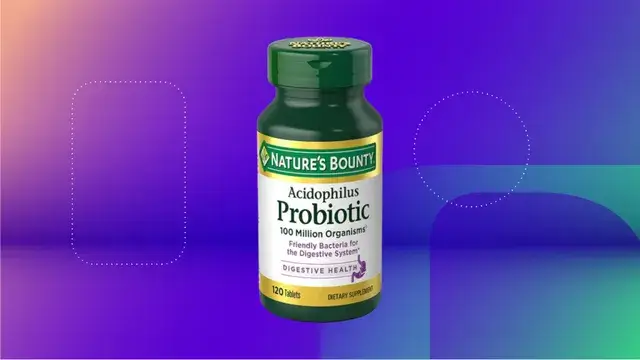
Three years ago I stood in a pharmacy aisle for twenty minutes holding two probiotic bottles trying to decide between forty billion and eighty billion CFU like those numbers meant something concrete and useful rather than being marketing figures I had absolutely no framework for interpreting intelligently. I bought the bigger number because it felt safer and spent four months taking it every morning without noticing anything different about how my stomach felt or behaved throughout the day. A conversation with a friend who studies gut health for a living dismantled everything I thought I knew and rebuilt it into something I could actually use when choosing the best probiotics for gut health.
The probiotic market is genuinely one of the most confusing supplement categories most people encounter because it combines scientific sounding Latin names, impressive looking numbers, and confident health claims in combinations designed to feel authoritative without actually communicating anything a normal person can evaluate without specialized background knowledge. Most buyers end up choosing based on price, CFU count, or which label looks most credible and most end up with something that does nothing specific for them because nothing specific was considered when choosing it. Getting the best probiotics for gut health right is actually not that complicated once you understand the one concept that changes everything about how you shop for these products.
Discover the best probiotics for gut health that seriously improve your digestion, boost your immunity, and make you feel amazing.
Best Probiotics for Gut Health and the One Thing That Actually Matters:
Strain specificity is the concept that separates people who get real results from probiotic supplementation from people who spend years cycling through impressive looking products without ever feeling a meaningful difference in their digestive health or gut comfort.
Every probiotic strain is a distinct organism with distinct capabilities and distinct research behind it and the evidence supporting one strain for one specific application does not transfer to a different strain even when both strains share the same species name on the product label. Two products can both say Lactobacillus acidophilus and contain completely different bacteria with completely different research histories and the label gives you no way to tell the difference without knowing the specific strain designation that identifies exactly which bacterial variant is inside the capsule you are about to purchase as your best probiotics for gut health solution.
Best Probiotics for Gut Health and CFU Count Reality:
The CFU arms race in probiotic marketing has convinced most buyers that a product with one hundred billion CFU is automatically five times better than one with twenty billion and this belief is not supported by how probiotic research actually works in clinical settings studying real outcomes in real people with real gut problems.
Research on specific strains frequently demonstrates meaningful effectiveness at doses that would look unimpressive on a modern supplement label while some products with astronomically high CFU counts contain strains that have never been studied in humans at any dose making the impressive number genuinely meaningless for predicting whether the product will help your specific gut situation. The best probiotics for gut health are dosed at levels research supports for their specific strains rather than at levels that win the CFU comparison game on the crowded store shelf where most purchasing decisions get made based on surface level information alone.
Best Probiotics for Gut Health and Strains With Real Evidence:
Knowing five or six specific strain names and what each one has genuine research supporting gives you an immediate practical filter that most probiotic buyers never develop because nobody explains this to them when they are standing in the supplement aisle trying to make a sensible decision about the best probiotics for gut health without wasting money on the wrong product again.
This knowledge narrows the entire overwhelming market down to a small group of products worth actually considering for different gut health goals and immediately reveals how many products on those shelves contain strains that have never been through meaningful clinical testing regardless of how confidently their labels describe what they will do for your digestive system when you commit to taking them daily.
Lactobacillus rhamnosus GG:
The GG designation after the species name is not decorative; it identifies the specific strain that went through the research and without those two letters you have no way of knowing whether a product contains the studied bacteria or a completely different variant sharing only the species name on a label designed to look authoritative. This particular strain has more clinical trials behind it than almost any other probiotic organism and the evidence covers antibiotic associated diarrhea prevention, traveler’s diarrhea, and certain immune applications in ways that make it the strain most worth knowing by name when shopping for the best probiotics for gut health for these specific situations in your own daily life.
Saccharomyces boulardii:
This one is a yeast not a bacterium which creates a practically important distinction because antibiotics kill bacteria including probiotic bacteria but cannot kill yeast meaning this strain keeps working throughout a course of antibiotics rather than being wiped out alongside the harmful bacteria the antibiotics are targeting during treatment. The clinical evidence for this strain in antibiotic associated diarrhea prevention is strong enough that gastroenterologists who follow the research closely often specifically recommend it to patients during antibiotic courses rather than leaving them to figure out what qualifies as the best probiotics for gut health during this specific vulnerable period independently.
Bifidobacterium infantis 35624:
The research on this strain for IBS is compelling partly because effective doses in clinical trials were around one billion CFU which looks almost laughably small next to the fifty and one hundred billion products filling most supplement shelves and claiming to represent the best probiotics for gut health through sheer numerical volume. This means a product containing this specific strain at one billion CFU has better clinical evidence for IBS than a product containing a random Bifidobacterium strain at one hundred billion CFU and understanding that reality completely inverts most people’s intuitions about what makes a probiotic worth purchasing and taking consistently.
Best Probiotics for Gut Health Comparison Table:
| Strain | Evidence Quality | Main Research Area | Who It Suits | Dose Range | Antibiotic Resistant |
| L rhamnosus GG | Very strong | Diarrhea immunity | Antibiotic travel | 10 to 20 billion | No it is bacteria |
| S boulardii | Very strong | Diarrhea prevention | Antibiotic travel | 5 to 10 billion | Yes it is yeast |
| B infantis 35624 | Strong | IBS all types | IBS sufferers | 1 billion | No it is bacteria |
| L acidophilus NCFM | Strong | Digestion comfort | General gut health | 5 to 20 billion | No it is bacteria |
| B longum BB536 | Strong | IBS constipation | Lower gut issues | 5 to 20 billion | No it is bacteria |
| L plantarum 299v | Moderate to strong | Bloating gas IBS | Bloating issues | 10 to 20 billion | No it is bacteria |
Best Probiotics for Gut Health Practical Daily Habits:
These five habits separate people who get genuine ongoing value from probiotic supplementation from those who take something expensive every morning without ever connecting it to any measurable improvement in how their gut actually functions day to day
- Pick your strain based on your specific gut complaint before looking at anything else on the label because the best probiotics for gut health for IBS are genuinely different organisms from those with the strongest evidence for antibiotic recovery and a product trying to cover everything with fifteen strains typically covers nothing particularly well for your individual situation
- Take your probiotic alongside your first meal rather than before eating anything because food creates a buffering effect against stomach acid that allows significantly more bacteria to survive the journey through your upper digestive system to reach the intestinal environment where they can actually be useful for gut health
- Keep going for at least six to eight weeks before deciding whether something is working because the gut microbiome is a slow moving ecosystem and the timelines most people give new supplements before abandoning them are nowhere near long enough for the changes that explain probiotic benefits to become noticeable through day to day symptom experience
- Read the storage requirements on the label and take them seriously because a probiotic that requires refrigeration stored at room temperature for weeks may contain almost no living bacteria by the time you take it regardless of how impressive the CFU count on the label looked when you purchased what you believed were the best probiotics for gut health for your needs
- Eat more prebiotic fiber from garlic, onions, oats, legumes, and bananas alongside your probiotic because the bacteria you are introducing need dietary fiber as a fuel source to survive and establish in your intestinal environment and taking probiotics with a low fiber diet significantly limits what they can accomplish once they arrive
Best Probiotics for Gut Health and Label Reading Skills:

Learning to read a probiotic label critically takes about five minutes and immediately reveals the difference between products worth considering and products that are essentially paying for impressive packaging and confident marketing language without the substance to back it up in any meaningful way.
Strain designation beyond the species name tells you whether the product contains the organism that has actually been studied in clinical research. CFU at expiration rather than at manufacture tells you how many bacteria are alive when you take it rather than when it was bottled months earlier in a facility you know nothing about. Third party testing certification tells you an independent laboratory has verified the product contains what the label claims rather than just accepting the manufacturer’s own quality assurance as sufficient verification when evaluating the best probiotics for gut health worth spending money on consistently.
Best Probiotics for Gut Health and Fermented Foods:
Traditional fermented foods have delivered live bacteria to human guts for thousands of years before anyone had a supplement industry and they remain genuinely valuable as a complement to rather than a replacement for targeted strain specific supplementation when you have a specific clinical goal you are working toward through your gut health approach.
Yogurt, kefir, kimchi, sauerkraut, miso, and kombucha all contribute bacterial diversity to the gut environment in ways that research increasingly connects to broader health outcomes beyond just digestive symptoms alone. The specific strains in fermented foods rarely match the clinically researched strains in quality probiotic supplements but the bacterial diversity they contribute alongside the prebiotic compounds in many fermented foods creates an intestinal environment that supports rather than competes with the best probiotics for gut health you have chosen based on your specific goals and situation.
Best Probiotics for Gut Health and Honest Expectations:
Probiotics are not going to cure inflammatory bowel disease, resolve serious digestive conditions through supplementation alone, or produce the kind of dramatic gut transformation that some wellness content promises to people who are genuinely suffering with chronic digestive problems and desperately want a real solution that delivers fast visible results.
What research supported strain specific probiotic use can realistically deliver is meaningful reduction in certain types of diarrhea, modest but real improvement in IBS symptom scores over weeks of consistent use, meaningful microbiome recovery support after antibiotic disruption, and contribution to the gut environment improvements that combined dietary and lifestyle changes produce more powerfully than the best probiotics for gut health used in isolation from those foundational health behaviors that support everything else you are trying to accomplish.
Conclusion
The best probiotics for gut health share three things that matter more than every marketing claim combined which are specific strains with genuine clinical evidence for your situation, verified bacterial viability at the time you actually consume the product, and enough consistent time to let gut microbiome changes develop and become noticeable through your real daily symptom experience.
Breaking free from the CFU bigger is better assumption is genuinely the most important mental shift most probiotic buyers can make because it immediately stops money flowing toward impressive looking products without real evidence and starts directing it toward the small group of strains that research has actually put through the work of demonstrating usefulness in real people with real gut problems rather than in marketing copy written by people whose primary goal is selling products rather than improving digestive health.
FAQ’s
1. How do I actually choose between all the probiotic options available right now?
Start with your specific gut complaint and find the strain with the strongest clinical research for that particular problem rather than shopping for the best probiotics for gut health generally without a specific target in mind. IBS points toward Bifidobacterium infantis 35624. Antibiotic protection points toward Saccharomyces boulardii or Lactobacillus rhamnosus GG. General digestive comfort points toward Lactobacillus acidophilus NCFM. Matching strain to symptom is the most important step.
2. How long before a probiotic actually does something noticeable for gut health?
Six to eight weeks of consistent daily use is the realistic minimum for most people taking strain appropriate products for their specific gut situation and health goals. Some people notice shifts sooner but abandoning what might be the best probiotics for gut health for your situation after two weeks because nothing dramatic happened is not giving the slow moving gut microbiome ecosystem nearly enough time to reflect the changes that regular bacterial exposure gradually produces.
3. Do I need to take the best probiotics for gut health forever or just for specific periods?
It genuinely depends on why you are taking them. During antibiotic treatment you take them for a defined recovery period. For ongoing IBS management consistent daily use maintains the symptom benefits that regular exposure produces. For general maintenance many people cycle rather than supplementing indefinitely though the research on optimal long term maintenance protocols is less settled than evidence for specific clinical applications like antibiotic recovery and IBS management.
4. Are fermented foods genuinely useful or just trendy alongside the best probiotics for gut health?
Both actually. Fermented foods deliver real bacterial diversity to the gut in ways that contribute meaningfully to microbiome health especially when consumed regularly across varied types throughout the week. They cannot reliably deliver specific clinically researched strains at researched doses the way targeted supplements can for specific applications but they contribute complementary value that makes them worth including regularly alongside rather than instead of quality probiotic supplementation.
5. Why does an expensive probiotic sometimes feel less effective than a cheaper one?
Because price reflects marketing investment and manufacturing costs rather than the quality of the strain research or the viability of the bacteria inside the capsule you are paying for. A budget product containing Lactobacillus rhamnosus GG with verified CFU at expiration and proper cold chain storage can produce better outcomes than an expensive product containing poorly researched strains at very high CFU counts because what determines whether you have found the best probiotics for gut health for your situation is strain identity and bacterial viability rather than retail price or the sophistication of the packaging design.
Summary
The best probiotics for gut health come down to strain specific clinical evidence, verified bacterial viability at expiration rather than manufacture, honest label transparency about exactly what each capsule contains, and consistent use over timeframes long enough for microbiome changes to become noticeable through real symptom experience across weeks of daily supplementation.
Lactobacillus rhamnosus GG and Saccharomyces boulardii lead the evidence for diarrhea prevention, Bifidobacterium infantis 35624 has compelling IBS research at surprisingly low doses, and Lactobacillus acidophilus NCFM serves general digestive comfort in ways that make these four strains worth knowing by name when evaluating any product claiming to offer the best probiotics for gut health. Pairing your chosen strains with prebiotic fiber foods, realistic expectations about what supplementation can deliver, and genuine consistency over adequate timeframes gives you the most honest evidence based approach available in a market that consistently oversells what the average product can realistically deliver to the people buying it with genuine hope of feeling meaningfully better in their daily digestive experience.