My daughter woke up one morning crying about her throat. She couldn’t swallow, had a fever, and looked completely miserable. I panicked — was it just a sore throat, or something worse? That’s when I started asking the same question you probably are right now.
Does strep throat go away without treatment? It’s one of the most common questions parents and adults ask when that familiar throat pain hits. The answer isn’t as simple as yes or no — and understanding it could save you a lot of pain and trouble.
Does strep throat go away on its own? Learn the truth, best treatments, warning signs, and when to see a doctor fast.
Does Strep Throat Go Away Without Antibiotics?

This is the big question — and here’s the honest answer. Does strep throat go away without medication? Technically, yes, in some mild cases. But it’s not that simple.
Strep throat is caused by a bacterial infection called Streptococcus pyogenes. Unlike a cold or flu, it’s not a virus — it’s bacteria. That means your immune system can sometimes fight it off on its own, but it may take 7 to 10 days, and the risk of serious complications is real.
The bigger concern is what happens if you leave it untreated. Does strep throat go away without antibiotics safely? In healthy adults, sometimes yes. But in children, the elderly, or people with weaker immune systems, untreated strep can lead to rheumatic fever, kidney inflammation, or even heart damage. That’s not a risk worth taking lightly.
How Long Does Strep Throat Last?
Most people start feeling better within 3 to 5 days with proper antibiotic treatment. Without treatment, symptoms can linger for up to 10 days or more.
Here’s a general timeline of how strep typically progresses:
- Day 1–2: Sudden sore throat, fever, difficulty swallowing
- Day 3–4: Symptoms peak — throat pain is at its worst
- Day 5–7: Gradual improvement with antibiotics
- Day 7–10: Full recovery in most cases
So does strep throat go away faster with medication? Absolutely. Antibiotics usually cut recovery time in half and reduce the risk of spreading it to others.
Signs You Definitely Have Strep Throat
Not every sore throat is strep. Knowing the difference helps you decide how fast to act.
Common signs of strep throat include:
- Sudden, severe sore throat with no cough
- Fever above 101°F (38.3°C)
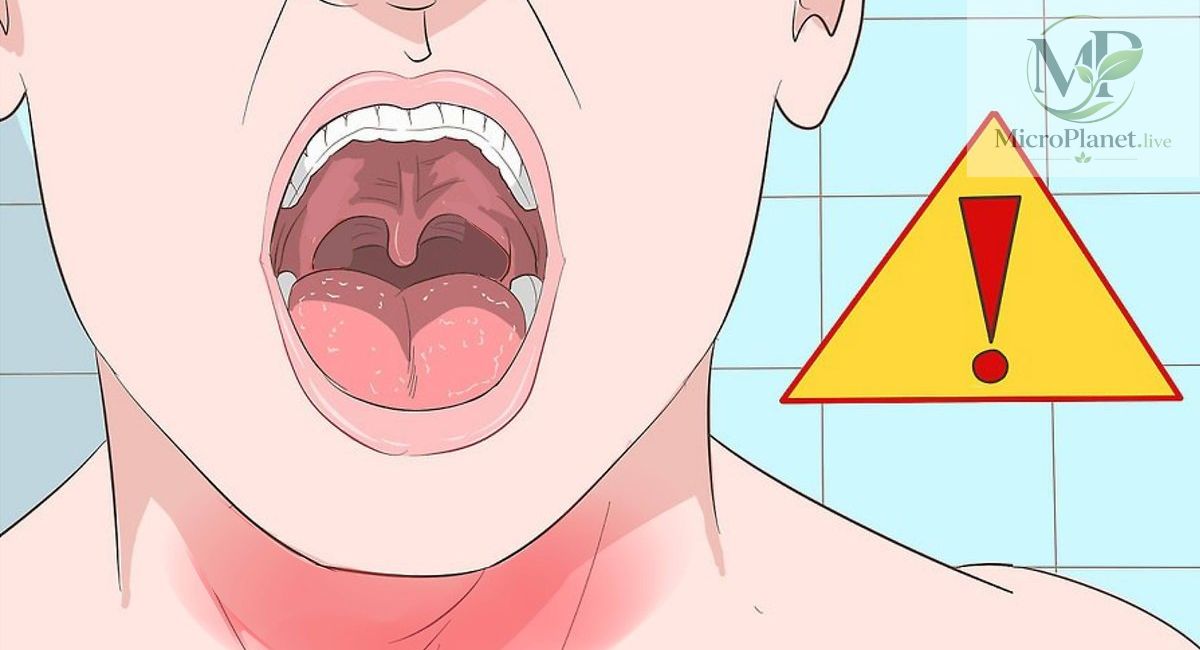
- Swollen, red tonsils — sometimes with white patches or streaks
- Swollen lymph nodes in the neck
- Headache, stomach ache, or nausea
- Loss of appetite
If you have a runny nose, cough, or congestion along with your sore throat, it’s more likely a viral cold than strep. Does strep throat go away with cold remedies alone? No — cold medicine does nothing for a bacterial infection.
How To Treat Strep Throat the Right Way
See a Doctor and Get Tested
The only way to confirm strep is through a throat swab test at a clinic or doctor’s office. A rapid strep test gives results in about 10 minutes. Many people ask, “Does strep throat go away on its own, but proper testing is important because untreated strep can sometimes lead to serious complications. If the test is positive, your doctor will prescribe antibiotics — usually penicillin or amoxicillin.
Start taking antibiotics as soon as they’re prescribed. You’ll likely feel better within 24 to 48 hours. Even so, always finish the full course — usually 10 days — even if you feel completely fine after a few days. While some people wonder, Does Strep Throat Go Away without treatment, antibiotics help reduce symptoms faster and lower the risk of spreading the infection to others.
Manage Symptoms at Home
While you wait for antibiotics to kick in, there’s plenty you can do to feel more comfortable. Does strep throat go away faster with home care on top of medication? Yes, it absolutely does.
Try these simple but effective home remedies:
- Warm salt water gargle — dissolve half a teaspoon of salt in warm water and gargle for 30 seconds, 3 to 4 times a day
- Honey and warm tea — honey coats and soothes an irritated throat naturally
- Cold foods — ice cream, popsicles, and cold water can temporarily numb throat pain
- Over-the-counter pain relievers — ibuprofen or acetaminophen help bring down fever and reduce throat pain
- Rest — your immune system heals faster when you’re not overexerting yourself
- Stay hydrated — drinking fluids prevents dehydration, especially with a fever
Use a Humidifier
Dry air makes a sore throat feel significantly worse. Running a cool-mist humidifier in your room adds moisture to the air and soothes your throat while you sleep. It’s a small change that makes a noticeable difference.
Common Mistakes People Make With Strep Throat
These mistakes are surprisingly common — and they can make your recovery much harder or even dangerous.
Stopping antibiotics early. This is the number one mistake. You start feeling better on day three and think you’re done. But stopping too soon allows the bacteria to survive and come back stronger. Always finish every single dose, even when you feel great.
Assuming it’s just a regular sore throat. Many people brush off strep symptoms as a common cold and never get tested. If your sore throat came on suddenly, is severe, and has no cough — get a test. Does strep throat go away when you treat it like a cold? No, it doesn’t. And waiting too long increases your risk of complications.
Returning to school or work too soon. Strep is highly contagious. You should stay home until you’ve been on antibiotics for at least 24 hours and your fever is gone. Heading out too early spreads the infection to everyone around you.
Using leftover antibiotics. Never use old prescriptions or take someone else’s antibiotics. The wrong type or dosage can make things worse — and it won’t properly treat your infection.
Skipping the doctor visit. Some people wonder, does strep throat go away if you just wait it out? Sometimes, but it’s not worth the gamble. The complications from untreated strep — especially rheumatic fever — can cause lasting damage to your heart and kidneys.
When To Go Back to the Doctor
Most people recover well with standard treatment. But there are situations where you need medical attention again right away.
Go back to your doctor if:
- Your fever comes back after going away
- Your throat pain gets worse after 48 hours on antibiotics
- You develop a skin rash, joint pain, or trouble breathing
- You have trouble swallowing fluids or opening your mouth
- Symptoms haven’t improved at all after 3 to 4 days of antibiotics
These could be signs of a more serious complication or a resistant strain of bacteria that needs a different treatment.
How To Stop Strep From Spreading
Strep spreads through respiratory droplets — coughing, sneezing, and even talking close to someone. Once you’re diagnosed, take these steps to protect everyone around you.
- Wash your hands frequently and thoroughly
- Avoid sharing cups, utensils, or toothbrushes
- Cover your mouth when coughing or sneezing
- Replace your toothbrush after finishing antibiotics
- Avoid close contact with others until you’re no longer contagious
Conclusion
So, does strep throat go away on its own? Sometimes — but the risks of going untreated are just not worth it. The smart move is always to get tested, take the full course of antibiotics, and give your body the rest and care it needs.
Does strep throat go away faster with the right treatment? Without question. Most people feel dramatically better within two days of starting antibiotics. Don’t tough it out unnecessarily — take care of yourself, follow your doctor’s advice, and you’ll be back to normal before you know it.