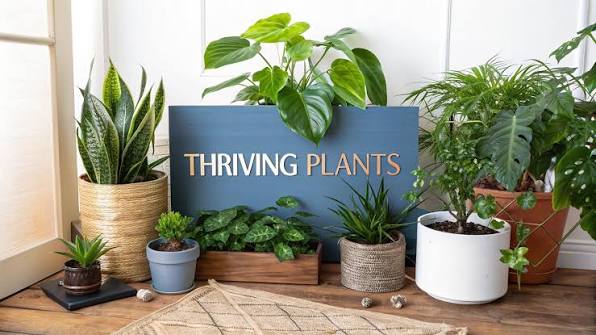
This indoor plants care guide replaces guesswork with a routine you can repeat. It starts with something every home has, your windows, and turns the basics of light, water, soil, humidity, and feeding into weekly, monthly, and seasonal habits. It is written for real homes across the United States, from sunny suburban living rooms to apartments with a single north-facing window.
Most people do not lose houseplants because they do not care. They lose them because care is random. A big watering after a week of neglect, a sudden move to a new window, a dose of fertilizer “to help” a struggling plant: each of these feels helpful in the moment, but together they confuse the plant and make problems harder to diagnose.
This indoor plants care guide turns light, water, soil, humidity, and feeding into simple routines for healthy houseplants in every U.S. home.
Quick Answer: What Should an Indoor Plants Care Guide Include?
An effective indoor plants care guide has three parts. Match each plant to the light it gets, check the soil weekly and water only when the top inch or two is dry, and adjust for the season. Use pots with drainage holes, keep temperatures around 65 to 80°F, and check the ASPCA’s lists if you have pets.
Why a Routine Works: The Logic Behind This Indoor Plants Care Guide
Plants respond to consistency. Their needs change slowly, with the light, the season, and their own growth, so small regular check-ins catch problems early. A weekly look at the soil and leaves tells you far more than an occasional rescue effort. This indoor plants care guide is built around that idea: observe often, act rarely, and change only one thing at a time. It also keeps decisions simple, because each plant gets a place, a watering method, and a check-in day.
Indoor Plants Care Guide: Start With Your Windows
Light decides which plants will succeed, so start by noting which way your windows face. Then match plants to that light instead of forcing a plant into a spot it does not like.
| Window | Light | Good matches |
| South | Brightest, strong sun | Jade, aloe |
| West | Bright, hot afternoons | Jade, rubber plant (use a sheer curtain in summer) |
| East | Gentle morning sun | Pothos, philodendron, peace lily |
| North | Dimmest | Snake plant, ZZ plant, cast iron plant |
South-Facing Windows
South-facing windows give the strongest light for much of the day, which suits succulents like jade and aloe. In summer, especially in the Southwest and Texas, keep sensitive leaves a few feet back or add a sheer curtain.
West-Facing Windows
West windows get bright light with hot afternoon sun. They work well for sun-tolerant plants, but leaves can scorch in summer, so watch for bleached or crispy patches.
East-Facing Windows
East windows offer gentle morning light that most foliage plants enjoy. Pothos, philodendron, and peace lily usually do well here.
North-Facing Windows
North windows are the dimmest, which is common in city apartments. Snake plants, ZZ plants, and cast iron plants tolerate this light. If it is very dim, a basic LED grow light on a timer can help. Rooms far from any window are too dark for most plants.
Your Weekly Indoor Plants Care Guide Routine
A routine does not need to take long. Ten to fifteen minutes a week is enough for a small collection.
Once a Week
Pick a day and walk past each plant. Push a finger into the soil, and water only the plants whose top inch or two is dry, until water drains out the bottom. Empty saucers, rotate each pot a quarter turn so growth stays even, and glance under the leaves for pests.
Once a Month
Wipe dust off broad leaves so they absorb more light. During spring and summer, feed lightly with a balanced houseplant fertilizer diluted according to the label. Check whether roots are circling the drainage holes.
Once a Season
Spring is the time to repot into a pot one to two inches wider if roots are crowded. In summer, watch for scorching near hot windows. In fall, ease off fertilizer as days shorten. In winter, water less and move plants away from vents and drafts.
Watering in Your Indoor Plants Care Guide
Overwatering is the most common cause of houseplant loss. Roots need oxygen as well as water, and soil that stays soggy pushes air out and invites rot. That is why any reliable indoor plants care guide tells you to check the soil instead of the calendar.
Push your finger into the soil. If the top inch or two feels dry, water thoroughly until water drains out the bottom, then empty the saucer. If the soil still feels damp, wait a few days and check again.
How often you water depends on light, season, pot size, and plant type. A plant in a bright window uses water faster than one in a dim corner. Succulents like jade, and tough plants like ZZ and snake plant, prefer to dry out between waterings. Peace lilies, spider plants, and Boston ferns like more even moisture. All plants drink less in winter, when growth slows.
Soil and Pots in Your Indoor Plants Care Guide
Use all-purpose potting mix for most plants and a cactus or succulent mix for jade and other water-storing plants. Pots need drainage holes. Terracotta dries faster than plastic, which helps plants prone to rot, while plastic holds moisture longer and suits thirstier plants.
If you love a decorative pot without holes, keep the plant in its plain plastic nursery pot and set it inside the decorative one. After watering, lift the inner pot out and empty any water that collected at the bottom. This gives you style without the risk of root rot.
Temperature and Humidity in an Indoor Plants Care Guide
Most common houseplants thrive in normal indoor temperatures between 65°F and 80°F. Keeping the temperature stable is important because sudden changes can stress plants and lead to problems such as yellowing leaves, wilting, leaf drop, or slow growth. Avoid placing plants near cold drafts, open windows, doors, heating vents, radiators, or air conditioners. These areas can cause sudden temperature fluctuations that may negatively affect plant health. For the best results, choose a comfortable location with consistent warmth and keep your plants away from direct sources of hot or cold air.
Keywords: houseplant temperature, indoor plants, plant care
Most easy-care houseplants do not require a humidifier if the indoor environment is reasonably comfortable. However, some tropical plants prefer higher humidity, especially during dry winter months. Ferns, peace lilies, calatheas, and similar tropical varieties can benefit from additional moisture in the air. If the leaves become brown or crispy around the edges, low humidity may be one possible cause.
You can increase humidity by grouping several plants together, placing a tray of water nearby, or using a humidifier when necessary. Avoid placing plants directly beside heaters or radiators, as excessive heat can quickly dry out the soil and leaves. With a stable temperature, suitable humidity, and proper placement, most houseplants can remain healthy and attractive throughout the year.
Fertilizer and Repotting Rules for an Indoor Plants Care Guide
Plants do not need much food, and beginners often give too much. Feed lightly during spring and summer, when plants are actively growing, and skip fertilizer in winter. Too much can burn roots and cause brown leaf tips.
Repot when roots circle the drainage holes or poke out of the bottom, usually every year or two. Move up to a pot one to two inches wider in spring. A pot that is far too large holds excess moisture and increases the risk of root rot.
Indoor Plants Care Guide by Plant Type
Different plants have different needs, so use this table as a starting point, then adjust based on how your plant responds.
| Plant type | Examples | Light | Watering |
| Succulents | Jade, aloe | Bright | Let soil dry fully |
| Low-light tolerant | Snake plant, ZZ plant, cast iron plant | Low to medium | Let soil dry between waterings |
| Trailing foliage | Pothos, philodendron | Medium to bright indirect | When top inch is dry |
| Moisture lovers | Peace lily, Boston fern | Medium to bright indirect | Keep evenly moist |
Succulents store water in thick leaves, so water deeply and then wait. Low-light plants forgive uneven care but still need some daylight. Trailing plants like pothos droop when thirsty, which makes them easy to read. Moisture lovers dislike drying out completely, but they should never sit in standing water.
Seasonal Indoor Plants Care Guide for US Homes
Plants experience your home differently in each season, and your climate shapes what they need.
- Spring: Growth picks up. Resume feeding, check roots, and repot plants that have outgrown their pots.
- Summer: Check the soil more often and watch for scorching near hot windows.
- Fall: Days shorten and growth slows. Cut back on fertilizer and begin watering less often.
- Winter: Water less, keep plants away from vents and drafts, and move them closer to windows.
Regional Examples for Your Indoor Plants Care Guide
- Northeast and Midwest winters: Short days and dry forced-air heat slow growth. Water less often, and keep plants away from vents.
- Southwest and Texas: South- and west-facing windows can scorch leaves in summer. A sheer curtain helps.
- Pacific Northwest and gray regions: Long overcast stretches make bright windows valuable, and a basic LED grow light can help.
- City apartments: North-facing units suit snake plants, ZZ plants, and cast iron plants.
Where to Buy
Home Depot, Lowe’s, Trader Joe’s, and Walmart garden sections carry most easy houseplants at friendly prices. Local garden centers often have healthier stock and staff who can advise on your region’s light.
Basic Tools for Your Indoor Plants Care Guide
You can begin with very little equipment: pots with drainage holes and saucers, all-purpose potting mix (plus cactus mix for succulents), a small watering can with a narrow spout, a balanced liquid houseplant fertilizer, clean scissors for trimming, and a soft cloth for wiping leaves. A moisture meter is optional, because the finger test works just as well for most plants.
Your 30-Day Indoor Plants Care Guide Plan
Week 1: Plan and place. Note which way your windows face, choose one or two plants that fit, and place them. Resist the urge to fuss.
Week 2: Learn the soil. Check the soil every few days with your finger, and water only when it feels dry. Notice how long that takes. That is your plant’s real schedule.
Week 3: Observe and adjust. Look for stretching, scorching, or drooping. If a plant seems unhappy, change one thing at a time.
Week 4: Lock in the routine. Pick a weekly check-in day, rotate pots, and wipe leaves. Consider adding a third plant or rooting a cutting.
Pet Safety in Your Indoor Plants Care Guide
Houseplant Safety Guide
Many common houseplants can irritate the mouth and stomach if chewed or swallowed. According to the ASPCA, pothos, snake plant, ZZ plant, peace lily, and jade are toxic to cats and dogs. In contrast, spider plant, parlor palm, cast iron plant, and Boston fern are listed as non-toxic. Before buying a new plant, check its safety information in the ASPCA plant database, especially if you have pets or young children at home. Even plants considered non-toxic may cause mild stomach upset if eaten in large amounts.
As part of your indoor plants care guide, keep potentially harmful plants on high shelves or in areas that pets and children cannot reach. This is especially important if you have a curious cat, dog, or child who likes to chew on leaves. If a pet eats part of a plant, contact your veterinarian for advice. If a child or adult swallows part of a plant, contact Poison Help at 1-800-222-1222 in the United States.
Prioritizing plant safety alongside regular indoor plant care helps create a healthier and more comfortable home environment for everyone.
Pest Prevention in Your Indoor Plants Care Guide
Even healthy plants can get pests, so regular inspection is an important part of an indoor plants care guide. Common culprits include aphids, spider mites, mealybugs, and fungus gnats. Inspect your plants whenever you water them, paying close attention to the undersides of leaves and along the stems. Checking regularly can help you identify pest problems early before they spread to other plants.
Fungus gnats are another common problem and often indicate that the potting soil is staying too wet. Allowing the soil to dry appropriately between waterings can help discourage these pests. Following simple indoor plant care practices, such as proper watering, regular inspections, and quarantining new plants, can help keep your indoor garden healthy and pest-free.
Troubleshooting Quick Fixes
Plants tell you what they need through their leaves. Use this section of your indoor plants care guide as a decoder.
- Yellow leaves: Often overwatering, especially if the soil stays wet. Low light and natural aging can also cause yellowing. Check the soil first.
- Brown, crispy tips: Usually dry air, uneven watering, or too much fertilizer.
- Drooping: Thirst or soggy roots. Feel the soil before acting.
- Stretched, leggy growth: The plant wants more light.
- Sticky leaves or tiny insects: Possible pests. Isolate the plant and wipe the leaves.
Expert Tips for Your Indoor Plants Care Guide Routine
- Start small. Begin with two or three plants rather than a full jungle.
- Change one thing at a time. That way you can tell what helped.
- Lift the pot. A light pot usually means dry soil, and a heavy one means it is still damp.
- Wipe the leaves. Dust blocks light, so wipe broad leaves every month or two.
- Propagate. Rooting a pothos cutting or planting a spider plant pup is a low-cost way to grow your collection.
Common Mistakes in Your Indoor Plants Care Guide
Almost every plant owner makes these mistakes at first. Knowing them in advance saves time and plants.
- Watering on a rigid schedule. Soil dries at different rates, so check it first.
- Choosing the wrong plant for the light. A sun-loving jade plant will struggle in a dark corner, and a low-light snake plant does not need a scorching window.
- Using pots with no drainage. Water collects at the bottom, roots rot, and the plant declines.
- Moving plants constantly. Plants adjust slowly, so give a new spot a few weeks.
- Overfertilizing. More food does not mean faster growth, and too much can burn roots.
- Skipping the pet safety check. Many easy plants are toxic to pets, so verify before you buy.
FAQ’s
1.How often should I water plants in an indoor plants care guide routine?
There is no universal schedule. Check the soil weekly and water when the top inch or two is dry. Succulents and ZZ plants need to dry out more, and all plants need less water in winter.
2.What should an indoor plants care guide include?
At minimum, light matching, a watering method based on soil checks, drainage, seasonal adjustments, and pet safety. A weekly routine makes those steps easy to follow.
3.Which easy houseplants are safe for pets?
The ASPCA lists spider plant, parlor palm, cast iron plant, and Boston fern as non-toxic to cats and dogs. Many popular plants, including pothos and snake plants, are listed as toxic, so always verify before buying.
Conclusion
The best indoor plants care guide is the one you can actually follow. Match plants to your windows, check the soil weekly, adjust with the seasons, and keep pets in mind. A few minutes each week will do more for your plants than any single big effort, and your home will fill up with healthy, thriving greenery.
Summary
This indoor plants care guide turns everyday plant care into an easy weekly routine. You will learn window-by-window light matching, watering, soil, humidity, feeding, seasonal tips for US homes, pet safety, troubleshooting, common mistakes, and a short personal first-plant story.