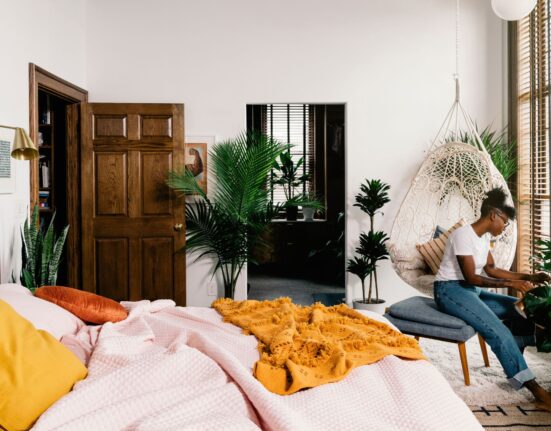
A home with plants feels different. The light looks softer, the corners feel finished, and even a plain shelf starts to look intentional. But anyone who has carried home a beautiful plant, only to watch it sulk for a month, knows that greenery is not just a decorating decision. It is a small, living commitment.
The secret to choosing indoor plants for home is to stop thinking about plants in general and start thinking about your actual rooms. A bright living room, a dim hallway, a steamy bathroom, and a busy kitchen each offer very different conditions. When you match the plant to the room, care becomes much simpler, and your plants are far more likely to thrive.
Stay tuned with us as we explore Indoor Plants for Home, sharing easy tips, beautiful ideas, and greenery for every room.
Quick Answer: What Are the Best Indoor Plants for Home?
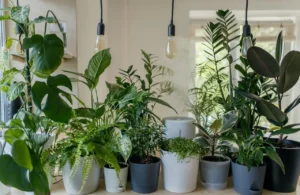
The best indoor plants for home depend on your light and routine. Snake plants, ZZ plants, pothos, and spider plants suit most households. Try cast iron plants in dim hallways, parlor palms or rubber plants in bright living rooms, and Boston ferns in bright, humid bathrooms. If you have pets, check the ASPCA’s plant lists before you buy, and always use pots with drainage holes.
How to Choose Indoor Plants for Home
Three questions narrow the field quickly and save you from impulse buys that do not fit your space.
How Much Light Does the Room Get?
Light is the most important factor, so begin there. Walk through your home around midday and notice where sunlight lands.
- Bright light: Within a few feet of a south- or west-facing window. Direct summer sun can scorch some leaves.
- Medium light: Near an east-facing window, or set back from a sunny one.
- Low light: A north-facing window or a room far from any glass. Low light still means some daylight. No plant thrives in a windowless room without a grow light.
Light also shifts with the seasons. A windowsill that is bright in July may be dim in December, especially in northern states.
Who Shares Your Home?
Many favorites irritate the mouth and stomach if chewed. The ASPCA lists pothos, snake plant, ZZ plant, peace lily, and jade plant as toxic to cats and dogs. It lists spider plant, cast iron plant, parlor palm, areca palm, and Boston fern as non-toxic. Before buying indoor plants for home with pets or young children, search each plant’s name in the ASPCA database. If a child or pet eats part of a plant, call Poison Help at 1-800-222-1222 for people, or contact your veterinarian for pets.
How Much Time Do You Have?
Be honest about your habits. If you travel often or forget to water, choose low-maintenance Indoor Plants for Home that store water, such as ZZ plants, snake plants, and jade. If you like a regular routine, a peace lily is a good teacher because it droops when thirsty and perks up soon after watering.
Best Indoor Plants for Home by Room
Here is where indoor plants for home tend to work best, based on typical light and humidity in each space.
Entryway or Hallway
Entryways are often dim, with no direct window. Cast iron plants and snake plants tolerate low light and uneven care, and they add structure without fuss. If the area is truly dark, rotate plants to a brighter spot every few weeks, or add a small LED grow light on a timer.
Living Room
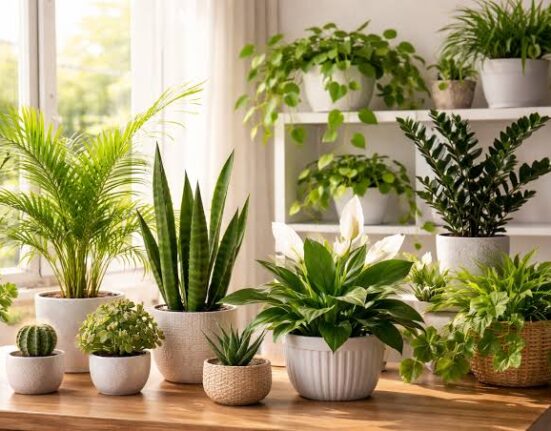
The living room usually has the best light and the most space. Parlor palms and areca palms bring height and a soft, tropical feel near a bright window. A rubber plant makes a bold statement with large glossy leaves. A spider plant softens a shelf or console table, and its dangling baby plants are easy to share with friends.
Kitchen
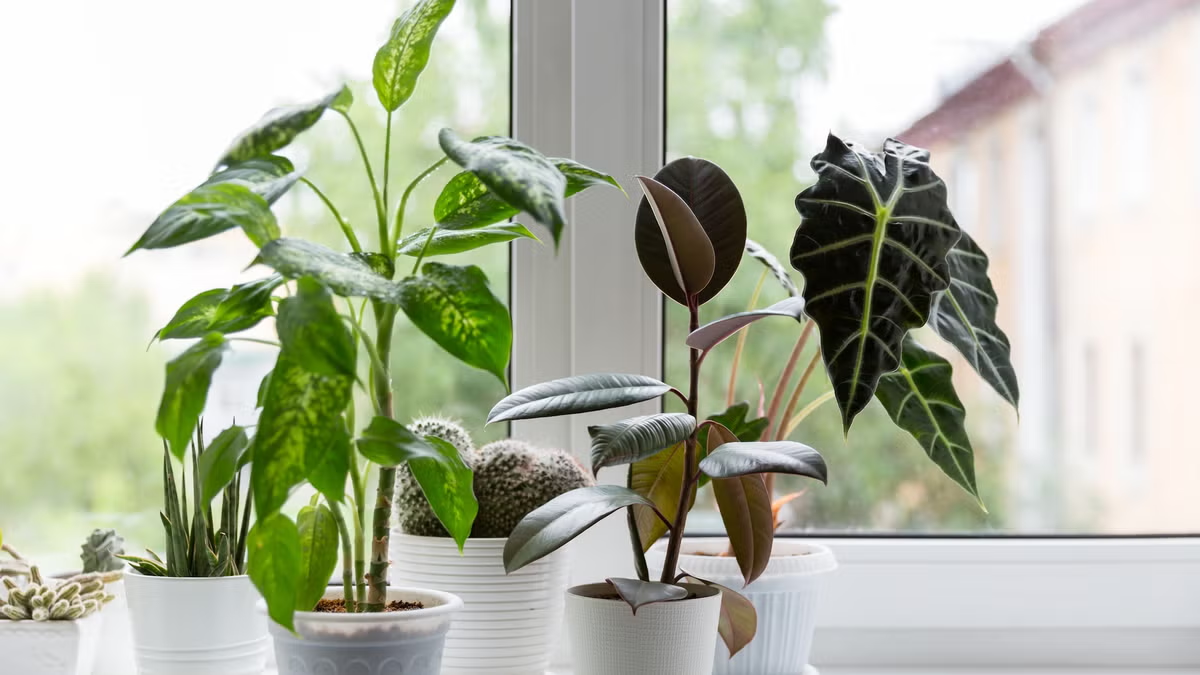
A bright kitchen windowsill suits pothos, spider plants, and jade. Keep leaves away from the stove, where heat and grease can damage them. If you have pets that jump on counters, choose non-toxic options like spider plant, or place plants out of reach.
Bathroom
Bathrooms can feel like natural homes for ferns and peace lilies because of the humidity. That only works if the room has a window. Boston ferns like bright, indirect light and consistently moist soil. A bathroom with no daylight is a poor home for any plant, no matter how humid it feels.
Bedroom
Bedrooms call for calm, low-maintenance choices. Snake plants and ZZ plants are quiet companions that need little attention. Place them on a dresser, a bookshelf, or the floor near a window.
Home Office
A home office benefits from plants that are easy to ignore during busy weeks. Pothos, ZZ plants, and spider plants all handle fluorescent or filtered light and the occasional missed watering. A small plant at eye level can make a desk feel more pleasant.
Care Tips for Indoor Plants for Home
You do not need a complicated routine. A few habits cover most of what a plant owner needs.
Watering
Overwatering is the most common mistake with indoor plants for home. Instead of watering on a fixed day, push your finger into the soil. If the top inch or two feels dry, water thoroughly until water drains out the bottom, then empty the saucer. If the soil still feels damp, wait a few days.
Succulents like jade, and plants like ZZ and snake plant, prefer to dry out more between waterings. Plants with thinner leaves, such as peace lily and spider plant, like more consistent moisture. All plants drink less in winter, when growth slows.
Soil and Pots
Use a quality all-purpose potting mix for most plants, and a cactus or succulent mix for jade. Always choose a pot with drainage holes. If you love a decorative pot without holes, keep the plant in a plain plastic nursery pot and set it inside the decorative one, emptying excess water after each watering.
Fertilizer and Repotting
Feed lightly during spring and summer with a balanced houseplant fertilizer diluted according to the label, and skip it in winter. Repot when roots circle the drainage holes or poke out of the bottom, usually every year or two. Move up to a pot one to two inches wider, and do it in spring when growth is active.
Indoor Plants for Home in US Climates
Where you live changes your light, humidity, and heating, so the best choices vary across the country.
- Northeast and Midwest winters: Short days and dry forced-air heat slow growth and reduce water needs. Move plants closer to windows, keep them away from vents, and check the soil before watering.
- Southwest and Texas: A south- or west-facing window can scorch leaves in summer. Use a sheer curtain, or choose sun lovers like jade.
- Pacific Northwest and other gray regions: Long overcast stretches make bright windows valuable. A basic LED grow light can help.
- City apartments: North-facing units with limited light suit snake plants, ZZ plants, and cast iron plants.
- Warm southern states: Plants may grow faster, so you may need to water and repot more often. Keep them out of the hot afternoon sun through glass.
Where to Buy Indoor Plants for Home
Home Depot, Lowe’s, Trader Joe’s, and Walmart garden sections carry many of the plants above at friendly prices. Local garden centers and independent nurseries often have healthier stock and staff who can answer questions about your specific light. Plant swaps and community groups are another way to pick up pothos cuttings or spider plant pups for free.
Common Mistakes With Indoor Plants for Home
Almost every plant owner makes these mistakes at first. Knowing them in advance saves time and plants.
- Watering on a rigid schedule. Soil dries at different rates depending on light, season, pot size, and plant type, so check the soil first.
- Choosing the wrong plant for the light. A sun-loving jade plant will struggle in a dark corner, and a low-light snake plant does not need a scorching window.
- Using pots with no drainage. Water collects at the bottom, roots rot, and the plant declines.
- Overfertilizing. More food does not mean faster growth, and too much can burn roots.
- Skipping the pet check. Many of the easiest indoor plants for home are toxic to pets, so verify before you buy.
- Counting on plants to clean the air. Plants add greenery and a calmer feel, but ventilation and regular cleaning do far more for indoor air quality.
Expert Tips for Growing Indoor Plants for Home
- Start small. Begin with two or three plants rather than a full jungle, and add more as you gain confidence.
- Observe before reacting. Plants rarely change overnight. Look at the soil, the light, and the leaves before you change anything.
- Wipe the leaves. Dust blocks light, so wipe broad leaves with a damp cloth every month or two.
FAQ’s
What are the best indoor plants for home with little light?
Snake plants, ZZ plants, cast iron plants, and pothos tolerate lower light. They still need some daylight, so place them near a window if you can.
Are indoor plants for home safe for pets?
Some are. The ASPCA lists spider plant, cast iron plant, parlor palm, and Boston fern as non-toxic to cats and dogs. Pothos, snake plant, and peace lily are listed as toxic, so always check the ASPCA database before buying.
How often should I water indoor plants at home?
There is no universal schedule. Check the soil with your finger and water when the top inch or two is dry for most plants, or when it is fully dry for succulents, ZZ plants, and snake plants. Expect to water less in winter.
Conclusion
The right indoor plants for home are the ones that fit your light, your pets, and your habits. Start with one or two plants for the room you use most, learn to read the soil instead of the calendar, and double-check pet safety before you buy. Mistakes will happen, and they are part of learning. With patience and a simple routine, your home can fill up with healthy, thriving greenery.
Summary
Indoor plants for home work best when you match each plant to the room, light, and household. This guide covers easy picks for every room, pet safety, care basics, US climate tips, common mistakes, and a short personal first-plant story.