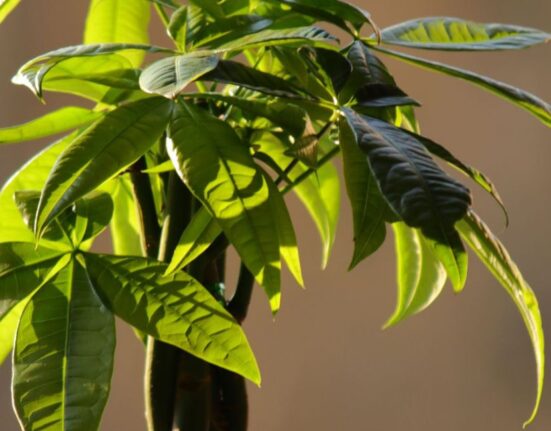

The first time I brought home a Ficus Tree Plants specimen from a nursery, I was captivated by its glossy leaves and graceful branching structure. Within weeks, leaves began dropping daily, the soil developed a sour smell, and the roots turned brown. It was discouraging, but that experience pushed me into learning plant care, disease management, and tree biology in depth. Over years of practice, experiments, and gradual success, I now grow many healthy ficus specimens and share what I’ve learned with other plant lovers.
Among popular houseplants and garden specimens, Ficus Tree Plants hold a prominent place. Belonging to the genus Ficus in the Moraceae family, they include species ranging from large outdoor banyan trees to compact indoor figs. Their attractive foliage, adaptability, and air-purifying qualities make them widely popular. However, they are sensitive to environmental changes and prone to fungal, bacterial, viral, and root-related diseases, so successful growth requires careful observation, proper knowledge, and consistent care practices.
Unlock the full potential of your Ficus Tree Plants by mastering care secrets, disease solutions, and effective growth strategies today.
Ficus Tree Plants Complete Beginner Growing Care Guide:

Starting your journey with ficus tree plants means building a solid foundation of knowledge about their native environment and natural growth requirements. These trees originate from tropical and subtropical regions across Asia, Africa, and the Pacific Islands, where they experience warm temperatures, high ambient humidity, filtered light beneath forest canopies, and consistent seasonal rainfall.
Replicating these conditions as closely as possible within a home or garden environment is the single most important step any grower can take toward long-term success. Providing bright indirect light, temperatures consistently between 65°F and 85°F, moderate and regular watering, and high humidity creates the stable, nurturing environment these trees absolutely need to establish strong root systems, produce dense foliage, and resist common diseases and pest infestations throughout every season of the year.
Beyond basic environmental conditions, new growers should understand that ficus tree plants are highly sensitive to change. Moving a tree from one room to another, altering its watering schedule abruptly, exposing it to cold drafts, or changing its light source can trigger dramatic stress responses including sudden mass leaf drop, yellowing of leaves across the entire canopy, and increased vulnerability to opportunistic fungal and bacterial pathogens. Consistency is not just helpful — it is essential.
Establishing a reliable care routine from the very beginning and maintaining it through all seasons gives these trees the stability they need to develop resilience against environmental stressors, microorganism threats, and disease challenges that inevitably arise over time.
Ficus Tree Plants Soil Water and Feeding Complete Breakdown:

The foundation of truly healthy ficus tree plants lies in three interconnected elements: soil composition, watering discipline, and nutritional support. Soil quality directly determines whether roots can breathe, drain properly, and access the micronutrients needed for sustained growth. The ideal potting mix for these trees combines high-quality peat or coco coir with perlite or coarse sand to create a medium that retains just enough moisture to support root hydration while draining excess water efficiently.
Heavy, compacted soils trap moisture around the root zone and create anaerobic conditions that invite the fungal microorganisms responsible for root rot and other devastating soil-borne diseases. Refreshing the potting mix every two years prevents compaction and replenishes depleted nutrients that the tree has exhausted through active growth.
Watering correctly is arguably the most critical skill in caring for ficus tree plants, and it requires developing a feel for the soil rather than following a rigid schedule. The correct approach is to water deeply and thoroughly whenever the top two inches of soil feel completely dry, then allow the pot to drain fully before returning it to its saucer. Overwatering creates persistently wet root conditions that directly cause root rot — one of the leading killers of container-grown specimens.
Underwatering causes the tree to drop leaves, develop dry brown leaf edges, and enter a stress state that weakens its immune response against bacterial and viral pathogens. During the growing season of spring through summer, fertilize monthly with a balanced slow-release fertilizer containing equal proportions of nitrogen, phosphorus, and potassium to sustain vigorous growth and strong disease resistance throughout the active growing period.
Ficus Tree Plants Disease Symptom and Treatment Reference Table:
| Problem / Disease | Primary Cause | Key Symptoms | Recommended Treatment |
| Root rot | Overwatering, poor drainage, fungal microorganisms | Brown mushy roots, sudden wilting, foul soil odor | Repot immediately, trim all rotted roots, use dry fast-draining soil mix |
| Yellow leaves | Overwatering, nutrient deficiency, low light | Pale yellowing across entire foliage canopy | Adjust watering frequency, apply chelated iron fertilizer, improve light levels |
| Sudden leaf drop | Environmental stress, cold drafts, relocation shock | Mass defoliation within 24 to 72 hours | Move to stable warm location, maintain consistent temperature above 65°F |
| Powdery mildew | Fungal infection from Erysiphe or Oidium species | White powdery coating on upper leaf surfaces | Weekly neem oil spray, improve airflow, reduce leaf wetness |
| Anthracnose blight | Colletotrichum fungal pathogen | Brown irregular lesions with yellow halos on leaves | Copper fungicide every 10 days, remove all infected foliage immediately |
| Bacterial leaf spot | Pseudomonas or Xanthomonas bacteria | Dark water-soaked spots with yellow margins | Stop overhead watering, apply copper bactericide, improve air circulation |
| Mosaic virus | Viral infection transmitted by aphids and whiteflies | Mottled pale-green patterning, distorted new growth | Remove infected plant, control insect vectors with systemic insecticide |
| Scale insects | Coccidae pest infestation | Brown waxy bumps on stems, sticky honeydew residue | Isopropyl alcohol swabs, horticultural oil spray application |
| Spider mites | Tetranychus microorganism pest in dry conditions | Fine webbing on undersides, pale stippled leaf surface | Raise humidity, rinse foliage forcefully, apply miticide every 7 days |
| Crown gall disease | Agrobacterium tumefaciens soil bacteria | Hard gall growths on roots and lower stem tissue | Remove affected tissue, sterilize all tools, use certified pathogen-free soil |
Ficus Tree Plants Top Tips for Strong Vigorous Growth:
- Position your Ficus Tree Growing Guide near a bright east-facing window that receives several hours of gentle morning sunlight each day.
- Rotate your Ficus Tree Growing Guide pot by a quarter turn every three weeks so all sides of the canopy receive balanced, even light exposure.
- Always water your Ficus Tree Growing Guide with room-temperature or slightly lukewarm water since cold water shocks the root system and triggers unnecessary stress responses.
- Mist the foliage of your Ficus Tree Growing Guide lightly every two to three days during dry winter months when indoor heating systems reduce ambient humidity significantly.
- Report your Ficus Tree Growing Guide every two years in early spring using a slightly larger container filled with fresh, well-draining, nutrient-rich potting mix.
Ficus Tree Plants Critical Warning Signs Never to Ignore:
- Widespread persistent yellowing of leaves across your Ficus Tree Growing Guide almost always points to a nutritional deficiency, overwatering problem, or root health issue.
- Soft, dark brown, or black roots discovered when inspecting your Ficus Tree Growing Guide are definitive early indicators of active root rot infection requiring immediate intervention.
- A white powdery or cottony coating appearing on the foliage of your Ficus Tree Growing Guide signals the rapid spread of a fungal infection that needs prompt treatment.
- A sticky, shiny residue beneath or on the leaves of your Ficus Tree Growing Guide strongly indicates an active infestation of scale insects or mealybugs requiring immediate removal.
- Continuous wilting despite adequate soil moisture in your Ficus Tree Growing Guide is a serious warning sign pointing toward root destruction caused by bacterial, fungal, or viral disease.
Ficus Tree Plants Full Guide to Recognizing Fungal Infections:

Ficus tree plants face constant exposure to fungal pathogens in both indoor and outdoor growing environments. Fungi reproduce through microscopic spores that travel through the air, contaminated soil, infected tools, and water splash, making complete prevention essentially impossible without a proactive management approach. The three most common and destructive fungal diseases affecting these trees are powdery mildew, root rot, and anthracnose leaf blight, each presenting with distinct visual symptoms and requiring specific treatment protocols to bring under effective control before irreversible damage occurs to the tree’s structural and root health.
1. Powdery Mildew:
Powdery mildew strikes ficus tree plants when airflow around the canopy is poor and humidity fluctuates unpredictably between wet and dry cycles. The disease presents as a characteristic chalky white powder coating that spreads rapidly across the upper surfaces of leaves, inhibiting photosynthesis and causing affected foliage to eventually yellow, wither, and drop. Treating infected trees with a diluted neem oil solution or potassium bicarbonate spray applied weekly, combined with improving air circulation by thinning dense interior branches, typically resolves active infections and prevents recurrence throughout the rest of the growing season.
2. Root Rot Disease:
Root rot devastates Ficus Tree Growing Guide when soil remains persistently wet and fungal microorganisms including Phytophthora, Pythium, and Fusarium species colonize the oxygen-deprived root zone. These pathogens destroy the structural integrity and absorptive capacity of roots, leaving the tree unable to take up water or nutrients regardless of how much is provided.
Infected plants display a sudden onset of wilting despite moist soil, progressive yellowing of leaves from the lower canopy upward, and a distinctly unpleasant sour odor rising from the pot. Immediate action is required — remove the tree from its pot, cut away all brown and mushy roots with sterilized scissors, treat the remaining healthy roots with a diluted hydrogen peroxide solution, and repot into completely fresh, dry, fast-draining soil before the fungal infection spreads further and kills the entire root system beyond recovery.
3. Anthracnose Leaf Blight:
Anthracnose is a destructive foliar disease that attacks Ficus Tree Growing Guide during warm, wet seasons when the Colletotrichum fungal pathogen finds ideal conditions for rapid reproduction. The disease begins as small, irregular dark brown lesions on leaf surfaces that gradually enlarge, merge, and develop characteristic yellow halos as the surrounding tissue dies.
Severely infected leaves curl, blacken along their margins, and drop prematurely, weakening the tree significantly over time. Managing anthracnose requires the immediate removal of all visibly infected foliage, disinfecting pruning tools with 70% isopropyl alcohol between every cut to prevent cross-contamination, and applying a copper-based fungicide spray to all remaining foliage on a strict ten-day treatment schedule until new growth emerging from the tree shows no further signs of infection or disease activity.
Ficus Tree Plants Bacterial and Viral Disease Management Strategies:
Beyond fungal diseases, ficus tree plants are vulnerable to a range of bacterial and viral pathogens that can be equally destructive and considerably more difficult to treat once established within the plant’s vascular system. Bacterial infections typically enter through wounds, pruning cuts, or natural leaf openings called stomata, while viral diseases are almost exclusively spread by sap-sucking insect vectors including aphids, whiteflies, and thrips. Understanding how each pathogen operates and what symptoms it produces is essential for making accurate diagnoses and selecting the most effective treatment approach before significant damage occurs to the tree.
1. Bacterial Leaf Spot:
Bacterial leaf spot is caused primarily by Pseudomonas cichorii and Xanthomonas campestris, two highly adaptable bacterial pathogens that thrive on the leaf surfaces of ficus tree plants whenever conditions are warm, humid, and wet. The disease begins as small, translucent, water-soaked spots scattered irregularly across the leaf surface. As the infection progresses, these spots darken to deep brown or black and develop a characteristic pale yellow halo of chlorotic tissue surrounding the necrotic center. In severe cases, multiple lesions merge into large areas of dead leaf tissue, causing widespread defoliation and significant aesthetic damage to the tree.
Switching irrigation methods from overhead sprinklers to directed bottom watering eliminates the leaf wetness that bacteria require for infection and spread. Applying a copper-based bactericide spray to the entire canopy immediately upon noticing the first symptoms and repeating the application every seven to ten days significantly reduces bacterial populations and halts disease progression in most cases.
2. Crown Gall Bacteria:
Crown gall disease represents one of the most persistent and ultimately untreatable bacterial conditions that can afflict ficus tree plants over their lifetime. The causative pathogen, Agrobacterium tumefaciens, is a soil-dwelling bacterium that enters the tree through wounds in the root system or lower stem and genetically reprograms plant cells to form abnormal, tumor-like gall growths at the site of infection. These galls disrupt the flow of water and nutrients through the vascular system, leading to visibly stunted growth, progressively yellowing foliage, and gradual overall decline of the tree regardless of how carefully it is watered and fed.
Because no effective chemical treatment exists that can eliminate established crown gall infections, the entire focus must shift to prevention and containment. Always sterilize pruning tools with bleach solution before and after use, purchase only certified disease-free nursery stock, use commercially prepared pasteurized potting mixes that are free of soil-borne pathogens, and remove and safely dispose of any tree showing confirmed crown gall symptoms to prevent spread to neighboring healthy plants.
3. Mosaic Virus Effects:
Ficus mosaic virus produces some of the most visually distinctive symptoms seen in diseased Ficus Tree Growing Guide , making it somewhat easier to identify than bacterial diseases. Infected trees display irregular mottled patterns of pale green, yellow, and dark green across their leaves in a mosaic-like patchwork that immediately stands out against the normally uniform deep green of healthy foliage. New growth emerging from infected trees is often severely distorted, stunted, or cupped in appearance, and overall plant vigor declines measurably over successive growing seasons as the virus interferes with fundamental cellular processes including photosynthesis and cell division.
The virus is spread almost exclusively by sap-sucking insects, meaning that aggressive and sustained control of aphids, whiteflies, and thrips populations through systemic insecticides or organic insecticidal soap sprays is the primary management strategy. Any tree showing advanced mosaic virus symptoms with widespread leaf distortion and severe growth suppression should be removed entirely and disposed of in sealed bags to prevent insect vectors from acquiring and spreading the virus to other healthy plants in the collection.
Ficus Tree Plants Controlling Pests and Soil Microorganism Threats:
Pest infestations and harmful soil microorganisms represent a constant and evolving threat to the long-term health of ficus tree plants in any growing environment. Unlike diseases that may develop slowly over weeks, certain pest populations can explode in size within days under warm, dry indoor conditions, causing rapid and extensive damage to foliage and root systems before the grower even realizes there is a problem.
Developing a habit of regular, systematic inspection — examining both upper and lower leaf surfaces, stems, the soil surface, and the root zone during routine repotting — is the single most effective tool available for catching infestations early when they are still manageable with minimal intervention and before population levels reach the threshold where serious plant damage becomes unavoidable.
1. Scale Insects:
Scale insects are among the most persistent and damaging pests encountered on ficus tree plants, largely because their protective waxy shells make them highly resistant to many conventional contact insecticides that work well against other soft-bodied pests. They attach permanently to stems and the undersides of leaves, inserting their piercing mouthparts directly into the plant’s vascular tissue and feeding continuously on nutrient-rich sap. Heavy infestations cause visible yellowing, wilting, and leaf drop, and the sticky honeydew excreted by feeding scales coats leaf surfaces and encourages the growth of black sooty mold fungi.
Begin treatment by physically removing as many scales as possible using a soft toothbrush or cotton swab soaked in 70% isopropyl alcohol, paying particular attention to stem joints and leaf axils where populations tend to concentrate. Follow with a thorough application of horticultural oil spray that coats all plant surfaces and smothers remaining insects and their eggs, repeating the entire process every ten days for a minimum of four to six weeks until no further live insects are detectable on any part of the plant.
2. Spider Mite Damage:
Spider mites are not true insects but rather arachnid microorganisms that thrive on Ficus Tree Growing Guide in hot, dry indoor environments where humidity drops below 40% during winter heating seasons. These near-microscopic pests colonize the undersides of leaves in large numbers, piercing individual leaf cells and extracting their contents, which produces the characteristic pale stippling pattern of tiny discolored dots visible across the leaf surface. As populations grow, the mites spin fine, gossamer-like webbing between leaves and stems that becomes increasingly visible as a reliable indicator of moderate to heavy infestation.
The most effective first response is to take the affected tree outdoors or to a shower and spray the entire canopy vigorously with clean water to physically dislodge and reduce the mite population immediately. Follow this with a substantial increase in ambient humidity around the plant using a humidifier or pebble water tray, and apply a targeted miticide spray specifically formulated to eliminate spider mites to all leaf surfaces including undersides every seven days for three consecutive weeks to break the pest’s reproductive cycle completely.
3. Soil Nematodes:
Root-knot nematodes are microscopic roundworm microorganisms living within the soil that target the root systems of Ficus Tree Growing Guide and cause damage that is entirely invisible until the tree’s health begins to visibly deteriorate above the soil line.
These organisms penetrate root tissue and chemically reprogram root cells to form characteristic swollen galls or knots along the root surface that block the normal uptake and transport of water and dissolved nutrients throughout the tree. Above-ground symptoms closely resemble those of nutrient deficiency or underwatering — persistent yellowing of foliage, stunted new growth, progressive wilting despite apparently adequate moisture, and poor overall vigor that does not respond to any amount of fertilization. Preventing nematode infestation is considerably more straightforward than treating an established population.
Always use commercially sterilized, pasteurized potting mixes for all container-grown specimens, solarize garden beds by covering moist soil with clear plastic sheeting for six to eight weeks during the hottest summer period to kill existing nematode populations through heat, and consider introducing beneficial predatory nematodes from the Steinernema or Heterorhabditis genera as a sustainable biological control that selectively targets pest species without harming the plant or beneficial soil organisms.
Ficus Tree Plants Year-Round Seasonal Maintenance and Long-Term Care:
Caring for ficus tree plants across all four seasons requires a flexible, adaptive approach that recognizes how the tree’s physiological needs change dramatically as day length, temperature, and light intensity fluctuate throughout the year. These trees experience two distinct phases in their annual cycle — an active growing season characterized by rapid new growth, high water and nutrient demand, and increased susceptibility to pest and disease pressure, followed by a resting phase during autumn and winter when metabolic activity slows, water requirements decrease, and the tree reallocates its energy reserves toward root development and overall structural consolidation.
Aligning your care practices with these natural biological rhythms rather than imposing a rigid year-round schedule based on calendar dates rather than the tree’s actual condition dramatically improves long-term outcomes and reduces the risk of care-related stress that opens the door to opportunistic diseases and microorganism attacks.
1. Spring Pruning:
Spring represents the optimal season to prune and shape ficus tree plants because the tree’s natural growth momentum at this time of year enables it to recover quickly from pruning cuts and redirect its energy toward producing dense, vigorous new growth in the directions the grower desires. Begin by removing all branches that are visibly dead, diseased, structurally damaged, or growing in a direction that crosses and rubs against other branches, as this physical contact creates wounds that serve as entry points for bacterial pathogens.
Thin the interior of the canopy selectively to improve light penetration and airflow, both of which reduce the humid, stagnant microclimates that favor fungal disease development. Always make clean, angled pruning cuts just above a healthy outward-facing bud using sharp, sterilized tools, and apply horticultural pruning paste or wound sealant to any cut surface larger than half an inch in diameter to prevent bacterial and fungal entry during the healing process.
2. Winter Protection:
Providing adequate winter protection is one of the most important and frequently overlooked aspects of successful long-term care for ficus tree plants, particularly for those grown in containers that can be moved indoors before cold weather arrives. Temperatures below 55°F cause significant physiological stress in these warmth-loving tropical trees, triggering leaf drop, root stress, and dramatically increased vulnerability to fungal diseases that take advantage of a weakened immune response. Move all outdoor container specimens indoors before nighttime temperatures drop consistently below 60°F, ideally placing them near a south or west-facing window where they can continue receiving several hours of natural light each day.
Reduce watering frequency during winter by approximately half compared to summer levels, allowing the soil to dry out more completely between waterings, and suspend all fertilization entirely from November through February. Keep trees well away from cold exterior windows, air conditioning vents, and forced-air heating registers, as the extreme temperature fluctuations and dry air produced by these sources cause more winter damage than the cold alone.
3. Annual Root Check:
Performing a thorough annual root inspection is an indispensable maintenance practice that allows growers to monitor the underground health of their ficus tree plants proactively rather than waiting for above-ground symptoms to signal that serious root problems have already developed. Schedule this inspection for early spring at the beginning of the active growing season when the tree is best positioned to recover quickly from the disturbance of being removed from its pot.
Slide the entire root ball carefully out of the container and examine the root system systematically, looking for the brown, black, or gray coloration and soft, mushy texture that indicate active root rot, the white cottony threads of fungal mycelium growing through the root zone, the characteristic galls of nematode infestation, or the simple overcrowding that signals it is time to move the tree into a larger container.
Use sharp, sterilized scissors or pruning shears to remove all dead or damaged root tissue cleanly, allow the remaining roots to air-dry briefly, and repot the tree into a fresh potting mix that has been lightly pre-moistened but is not wet, finishing with a thorough watering that allows any remaining dry pockets in the new soil to settle and hydrate evenly around the root ball.
Conclusion
Successfully cultivating vibrant, long-lived ficus tree plants is genuinely achievable for any grower who invests the time to understand their biological needs, recognize early signs of disease, respond swiftly to pest pressure, and adapt their care routine to the changing demands of each season. From mastering correct watering technique and soil selection to identifying and treating fungal infections, bacterial diseases, viral conditions, and microorganism-related root threats, every layer of knowledge you build makes you a more confident and effective steward of these remarkable trees that can grace your living space for many decades.
FAQ’s
Q1. Why are the leaves on my ficus tree plants turning completely yellow?
Yellow leaves on ficus tree plants are most commonly caused by consistent overwatering, iron or nitrogen deficiency, or sudden changes in light conditions that stress the tree significantly.
Q2. How frequently should I water my ficus tree plants throughout the year?
Water ficus tree plants whenever the top two inches of soil feel dry — typically every 7 to 10 days in summer and every 14 days in winter.
Q3. What microorganisms are responsible for root rot in ficus tree plants?
Root rot in ficus tree plants is primarily caused by Phytophthora, Pythium, and Fusarium fungal microorganisms that thrive in persistently waterlogged, oxygen-deprived soil conditions.
Q4. Can ficus tree plants fully recover from severe fungal infections?
Yes, ficus tree plants can recover from most fungal infections if treatment begins early using neem oil, copper fungicide, and improved drainage and airflow.
Q5. What is the best way to prevent bacterial diseases in ficus tree plants?
Prevent bacterial diseases in ficus tree plants by using bottom watering methods, sterilizing all pruning tools thoroughly, and ensuring adequate air circulation around the entire canopy.
Q6. Do ficus tree plants need direct sunlight to grow properly and stay healthy?
Ficus tree plants thrive in bright indirect light and do not require direct sun, which causes leaf scorch, bleaching, and long-term photosynthetic damage to foliage.
Q7. Why do ficus tree plants suddenly drop all of their leaves at once?
Sudden total leaf drop in ficus tree plants is almost always triggered by relocation stress, exposure to cold temperatures, or abrupt environmental changes that overwhelm the tree.
Q8. How do I effectively treat a serious spider mite infestation on ficus tree plants?
Treat spider mites on ficus tree plants by forcefully rinsing all foliage, increasing surrounding humidity substantially, and applying a targeted miticide spray every seven days.
Q9. When is the right time to repot my ficus tree plants into a larger container?
Repot ficus tree plants every two years in early spring when roots become visibly overcrowded, begin circling the pot base, or emerge through drainage holes.
Summary
Growing truly healthy, vibrant, and long-lived ficus tree plants demands a comprehensive, well-rounded approach that extends far beyond simply placing a tree near a window and watering it occasionally. From selecting the right soil composition and mastering precise watering technique to identifying and treating the full spectrum of fungal infections, bacterial diseases, viral conditions, yellow leaf disorders, root rot crises, and microorganism-related pest threats, every dimension of care matters enormously over the lifetime of these remarkable trees.
The strategies, diagnostic tools, treatment protocols, and seasonal care adjustments outlined throughout this guide equip you with everything you need to cultivate ficus tree plants that are genuinely thriving — not merely surviving. Apply this knowledge consistently, observe your trees closely and respond to early warning signs before they escalate into serious problems, and your Ficus Tree Growing Guide will reward your dedication with decades of lush, beautiful growth that transforms any indoor or outdoor space into a living work of natural art.