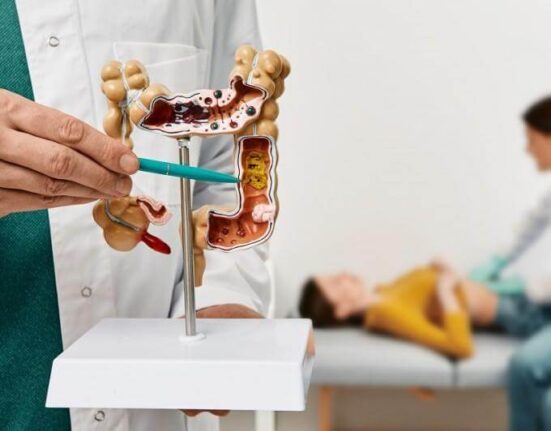
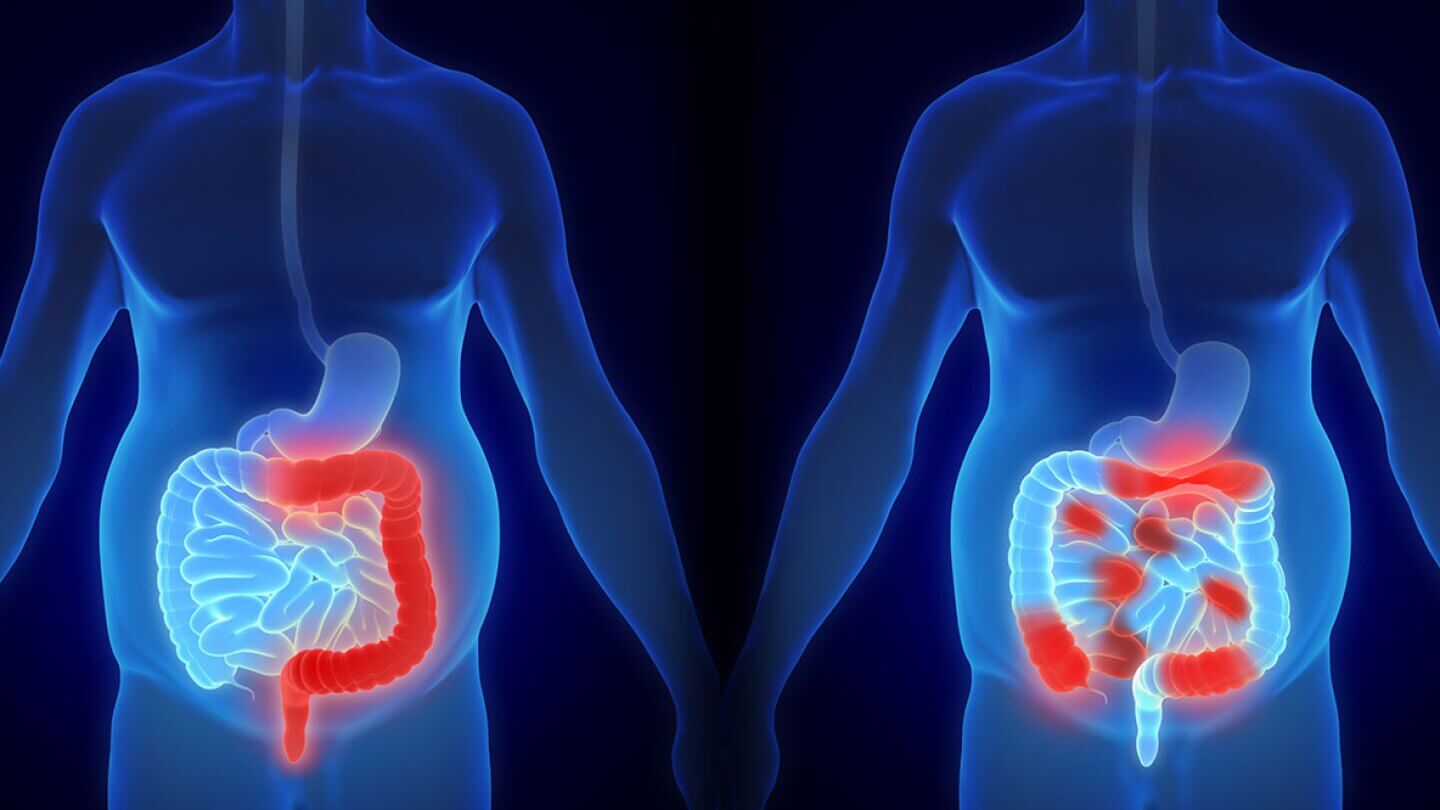
My dad received his colon cancer diagnosis on a Wednesday and met with a surgeon by Friday, leaving us overwhelmed and unsure what to ask. The surgeon explained colon cancer surgery clearly, but fear made it hard to absorb anything. Most of the information passed by without really sinking in. In the days that followed, I read everything I could find because I wished someone had simply explained what to expect before that appointment. Being prepared would have made that difficult conversation far less confusing and emotionally overwhelming.
Getting told you need colon cancer surgery and then being handed a date without really understanding what that means for your body and the weeks that follow leaves most patients and families feeling considerably more scared than they need to be. Surgery removes the cancer and gives most people their best realistic shot at full recovery but knowing what colon cancer surgery actually involves, what recovery genuinely demands day after day, and what life looks like on the other side makes this whole experience far less terrifying than going through it blind. That honest preparation is exactly what this guide is designed to give you before your consultation arrives.
Colon cancer surgery has helped thousands of real people recover fully and get back to living their best healthy life.
Colon Cancer Surgery and the Basic Goal:
The surgeon removes the section of colon where the cancer lives along with a border of healthy tissue on each side and the lymph nodes sitting nearby that could be carrying cancer cells away from the original tumor site toward other parts of the body.
Those lymph nodes go to pathology after colon cancer surgery and what comes back from that laboratory analysis tells your oncologist whether cancer has moved beyond the bowel wall and what treatment if anything needs to follow during subsequent weeks and months of your complete care plan. This analysis is why pathology results take one to two weeks rather than being available immediately after the procedure ends in the operating room on the day of your surgery.
Colon Cancer Surgery and What Approach Suits You:
Three main surgical approaches exist and which one your team recommends depends on where your cancer sits inside the colon, how far it has grown through the bowel wall, your general health status, and what your surgeon performs most confidently based on their own training and years of colorectal practice.
None of these approaches is universally better than the others in every situation and the recommendation you receive should honestly reflect your specific clinical picture rather than a one-size approach applied uniformly to everyone walking through the same surgical department regardless of their individual circumstances and tumor characteristics.
Open Surgery:
One longer incision across the abdomen lets the surgeon work directly with both hands inside the operative field throughout the entire procedure. This approach is sometimes the only genuinely realistic option when tumors are large or anatomically complicated, when previous abdominal surgeries have left significant internal scar tissue complicating minimally invasive access, or when something unexpected encountered during a laparoscopic surgery for colon cancer operation makes continuing that approach unsafe for that particular patient at that specific moment in the procedure.
Laparoscopic Surgery:
Several small cuts replace the single larger incision and a camera through one of those ports gives the surgical team a magnified real-time view on a screen while specialized instruments work through the remaining small openings in the abdominal wall. People who have laparoscopic surgery for colon cancer generally go home sooner, experience less post-operative pain in the days immediately after, and return to normal daily activity faster than those who need open surgery while achieving equivalent quality of cancer removal when performed by a surgeon with genuine laparoscopic colorectal experience and a strong track record.
Robotic Surgery:
Robotic surgery works similarly to laparoscopic from the patient’s external perspective using small incisions and a camera but the surgeon sits at a console controlling instruments that move with greater precision and three-dimensional depth perception than standard laparoscopic tools allow in certain anatomically challenging situations. Whether this additional precision matters meaningfully for your specific colon cancer surgery depends on tumor location and your surgeon’s actual robotic experience rather than being a straightforwardly superior option that every patient should actively seek out regardless of individual clinical needs.
Colon Cancer Surgery Comparison Table:
| Procedure | Incision | Hospital Stay | Recovery | Best Suited For | Main Benefit |
| Open surgery | One large cut | 5 to 7 days | 6 to 8 weeks | Large complex tumors | Full direct access |
| Laparoscopic | Small ports | 3 to 5 days | 3 to 4 weeks | Most suitable patients | Faster recovery |
| Robotic assisted | Small ports | 3 to 5 days | 3 to 4 weeks | Precise locations | Enhanced precision |
| Local excision | No abdominal cut | Same day | 1 to 2 weeks | Very early stage only | Least invasive |
| Hartmann procedure | Varies | 5 to 8 days | 6 to 8 weeks | Emergency situations | Avoids risky join |
| Stoma forming | Varies | 5 to 7 days | 6 to 8 weeks | Lower rectal cancers | Protects healing join |
Colon Cancer Surgery and the Stoma Question:

Most people hear the word stoma and immediately feel a wave of fear and that fear is completely understandable because nobody adequately prepares you for what having one actually means in practical daily terms during consultations that focus primarily on the technical surgical procedure rather than the lived experience that follows it at home afterward.
A stoma is an opening in the abdominal wall through which the bowel empties into a pouch worn against the skin and whether yours would be temporary while the surgical join heals or permanent depends entirely on where your cancer was located and what removing it completely and safely required from the surgical team during your specific colon cancer surgery procedure. Cancers in the upper colon almost never require a stoma while cancers sitting lower in the rectum more often involve one as a genuine necessary part of what complete safe tumor removal demands surgically rather than representing any kind of complication or failure on anyone’s part.
Colon Cancer Surgery Warning Signs at Home:
These are the specific things that need a direct phone call to your surgical team rather than home management and hoping things improve on their own across the next day or two of cautious self-monitoring at home
- Temperature above 38 degrees after coming home from colon cancer surgery needs same day contact with your surgical team because post-operative fever can mean infection or a problem developing at the bowel join that needs proper clinical assessment rather than paracetamol and rest at home alone without professional input
- Pain that gets worse across consecutive days rather than gradually improving is worth raising with your team directly because healing from surgery for colon cancer should consistently trend toward feeling slowly better and worsening pain moving in the opposite direction needs professional eyes assessing it without delay
- Spreading redness around your wound edges, increasing warmth at the incision site, or discharge that looks or smells different from what your nurse described as normal before discharge all deserve a call rather than continued independent home management while hoping things resolve without professional intervention
- No stoma output for a full day or dramatically increased watery output both signal changes worth calling your stoma nurse about promptly because both patterns can indicate developing issues that need professional guidance rather than continued home observation and self-management alone without clinical input
- Feeling significantly and consistently worse across several days rather than slowly better is a signal worth trusting about your own body because people healing normally from colon cancer surgery trend toward gradual improvement and consistent deterioration without obvious explanation always deserves medical attention rather than continued waiting
Colon Cancer Surgery and What Recovery Really Takes:
The gap between what most people expect recovery from surgery for colon cancer to demand and what it actually demands day to day is one of the most consistent sources of genuine difficulty in the weeks following discharge and this gap is almost entirely preventable with honest information provided before surgery rather than discovered through personal experience afterward when it is too late to prepare differently.
Hospital discharge happens three to seven days after colon cancer surgery depending on surgical approach and individual recovery progress and coming home absolutely does not mean feeling well or capable of normal daily functioning right away. It means being medically stable enough to continue recovering outside the hospital environment with proper practical support already fully in place before discharge happens rather than scrambling to arrange that support after realizing how genuinely limited your daily capacity is once you arrive back inside your own home.
Colon Cancer Surgery and Bowel Changes Afterward:
The bowel behaves noticeably differently after a section has been removed during colon cancer surgery and this adjustment period catches most patients genuinely off guard because pre-operative conversations focus heavily on the procedure itself and relatively lightly on the digestive experience that follows across the coming weeks and months of recovery at home.
More frequent bathroom trips than before, urgency that feels unfamiliar and sometimes socially difficult, changes in stool consistency, and some genuine unpredictability about when the bowel will act all show up during the adaptation period while the remaining colon gradually figures out its new configuration. This takes months for most people rather than weeks and knowing that reality before it starts prevents significant distress from assuming something has gone seriously wrong when you are actually moving through a completely expected adjustment that just takes longer than most patients are told to anticipate before their Surgery for colon cancer procedure.
Colon Cancer Surgery Preparation That Actually Helps:
These five specific things genuinely make recovery more manageable in the real world rather than being generic advice that sounds reassuring without actually helping much when you are in the middle of managing daily life during genuine surgical recovery at home
- Sort out practical help covering cooking, cleaning, driving, and any childcare responsibilities for a genuine four to six weeks before your actual Surgery for colon cancer date because the first weeks home are more physically limiting than almost every patient expects before experiencing them directly for the first time
- Write your questions down on paper before every surgical appointment and physically bring that list into the consultation room with you because important questions consistently disappear the moment clinical information starts arriving quickly in an emotionally charged appointment that moves faster than feels comfortable for most people
- Ask specifically about your dietary progression after colon cancer surgery before leaving hospital because what and how you eat directly shapes bowel recovery and having clear guidance before discharge prevents guessing your way through it alone at home without proper professional input available to guide you
- See a stoma care nurse before your colon cancer surgery if there is any realistic possibility of needing a stoma because meeting that person and receiving basic practical education before the operation significantly reduces both the shock and the steep learning curve that begins immediately in the early post-operative days at home
- Plan emotionally for the pathology results waiting period because results take one to two weeks to return from the laboratory and many patients find that particular waiting period harder than the surgery itself without having mentally prepared for it as a distinct and genuinely challenging phase of the complete treatment experience
Colon Cancer Surgery and the Emotional Reality:
Physical healing is only one part of what Surgery for colon cancer genuinely asks of people and the emotional dimensions of this experience deserve honest acknowledgment and real support rather than being consistently treated as secondary concerns that naturally resolve themselves once the body heals adequately and life gradually returns to something recognizable again.
Fear arriving in waves before the procedure date, a complicated mix of disorientation and relief immediately afterward, grief about body changes including surgical scars and possibly a stoma, deep anxiety about what pathology results will reveal, and the permanent installation of cancer-related uncertainty into daily thinking all sit alongside physical recovery and do not follow the same healing timeline regardless of how well the body heals medically after colon cancer surgery.
People who have genuine psychological support alongside their physical care, honest conversations with their medical team about emotional needs, and real connection with others who have actually lived through this experience consistently navigate this journey considerably better than those managing the emotional dimensions entirely on their own without acknowledgement.
Conclusion
Colon cancer surgery is a genuinely major life experience that deserves real honest preparation rather than clinical information delivered in a way that satisfies medical requirements without truly serving the person who has to actually live through every demanding day of recovery. Understanding your colon cancer surgery options clearly before the consultation, knowing which warning signs need urgent attention during home recovery, preparing your practical home situation and support network before the surgery date arrives, and giving yourself real time and genuine patience throughout a recovery that consistently demands more than most people expect are the foundations of navigating this as well as it can realistically be navigated.
Ask everything that actually matters to you, bring someone you completely trust to every important appointment, accept practical help without guilt or embarrassment during recovery, and be as genuinely patient and kind with yourself throughout this entire process as you would naturally be with someone you love going through exactly the same demanding experience.
FAQ’s
1. How long does colon cancer surgery take in the operating room from start to finish?
Most colon cancer surgery procedures run between two and four hours in the operating room though tumor complexity, chosen surgical approach, and individual patient factors all influence the actual timing in ways your surgeon can speak to more specifically based on your individual planned procedure before your admission date arrives.
2. What does the first week home from hospital genuinely look and feel like after colon cancer surgery?
Significant fatigue that surprises most people, limited physical movement, wound care requirements, and very gradual dietary progression from soft foods toward normal eating characterize the first week home for most patients. Energy improves slowly across weeks two through four while bowel function continues its longer adaptation process that genuinely runs for several months beyond the initial colon cancer surgery recovery period.
3. Does every colon cancer patient need a stoma after their colon cancer surgery?
No and most people with colon cancer do not need one because the surgeon can safely join the bowel ends after removing the affected section in most cases. Lower rectal cancers involve stomas more frequently than upper colon cancers as a direct consequence of the anatomical demands that complete tumor removal in those specific locations creates for the surgical team during the procedure.
4. When do pathology results actually come back after colon cancer surgery?
Results from the removed tissue and lymph nodes typically return within one to two weeks of surgery and reveal whether surgical margins were clear and whether lymph nodes contained cancer cells indicating spread. These findings directly determine what further treatment is recommended and your team will contact you to discuss results and their implications as soon as they are available from the laboratory.
5. How does eating change after colon cancer surgery in the longer term?
Diet progresses gradually from clear fluids through soft easily digestible foods toward normal eating across several weeks as bowel function slowly recovers. Some specific foods affect bowel regularity and consistency during the longer adaptation period and keeping a simple food diary alongside guidance from a dietitian experienced with bowel surgery recovery helps most patients navigate this adjustment more confidently and comfortably day to day.
Summary
Colon cancer surgery removes the primary tumor along with surrounding healthy tissue and nearby lymph nodes giving most patients their best realistic opportunity for genuine recovery from a disease that responds well to surgical treatment particularly when identified before spreading extensively beyond the original bowel wall. Recovery from Surgery for colon cancer takes longer and demands considerably more practically and emotionally than most people anticipate before going through it and preparing thoroughly across all those real dimensions before the surgery date makes the experience significantly more manageable from the very first day home from hospital.
Understanding your specific colon cancer surgery options clearly, knowing which warning signs genuinely need urgent attention during home recovery, arranging practical support before you actually need it, and approaching your own healing with real patience and genuine self-compassion are the most important foundations any patient can build before this significant experience begins in their life.