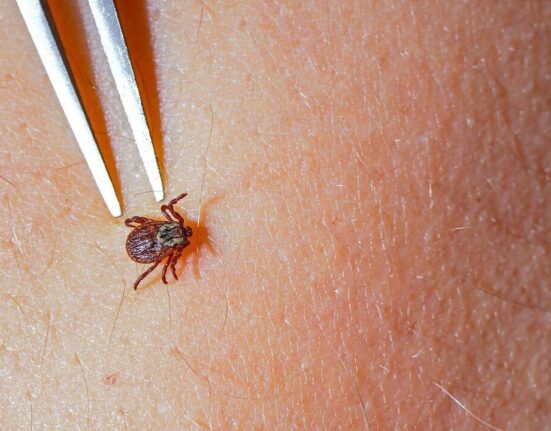
Four years ago my neighbor spent months visiting different doctors trying to get answers about what was happening to her body and nobody connected the dots until she mentioned a rash she had photographed on her thigh weeks earlier that had already faded by the time she thought to show anyone who might recognize what it meant. She had been hiking through wooded trails all summer and noticed a tick on her leg but removed it without much concern because she felt completely fine for two weeks before Lyme disease symptoms began appearing.
Most people carry a mental image of Lyme disease symptoms that looks like a neat bulls-eye rash followed by a short antibiotic course and complete recovery and while that clean narrative describes some people’s experience it leaves out the messier reality that many patients navigate when early signs get missed, misattributed, or dismissed at stages where earlier recognition would have changed everything about what followed for that person.
The signs change character across different stages of infection, they convincingly resemble other conditions that receive attention first, and they vary enough between individual patients that two people with identical diagnoses can describe completely different experiences without either of them being wrong. This guide gives you the honest picture of what Lyme disease symptoms actually look like from beginning through late stage disease.
Recognizing Lyme disease symptoms early gives you the best possible chance to get the right treatment and recover completely fast.
Lyme Disease Symptoms and How Infection Starts:
Black-legged ticks carry the bacteria that cause this condition and they generally need to stay attached for around 36 to 48 hours before successfully transmitting enough bacteria to produce infection in most documented cases of genuine tick-to-human transmission in areas where infected tick populations are established.
This timing detail matters practically because checking your skin carefully after every outdoor session in wooded or grassy areas and removing attached ticks promptly gives you a genuine advantage in preventing the infection that produces Lyme disease symptoms rather than simply hoping any tick you missed was not carrying the bacteria responsible for this increasingly common illness across multiple geographic regions where tick populations continue expanding year over year.
Lyme Disease Symptoms in the Earliest Stage:
Early signs typically involve a combination of a characteristic expanding skin rash and a flu-like illness that together represent the body recognizing and fighting a bacterial infection encountered for the first time through the skin at the tick bite location in ways that vary considerably between individual patients with different immune responses.
The challenge is that Lyme disease symptoms often appear in sequence rather than simultaneously with the rash sometimes fading before systemic illness becomes prominent enough to prompt medical attention and the flu-like component arriving when the rash has already disappeared making the connection to potential tick exposure less obvious to both patient and clinician during evaluation without deliberate inquiry about recent outdoor activity history.
The Rash as an Early Warning:
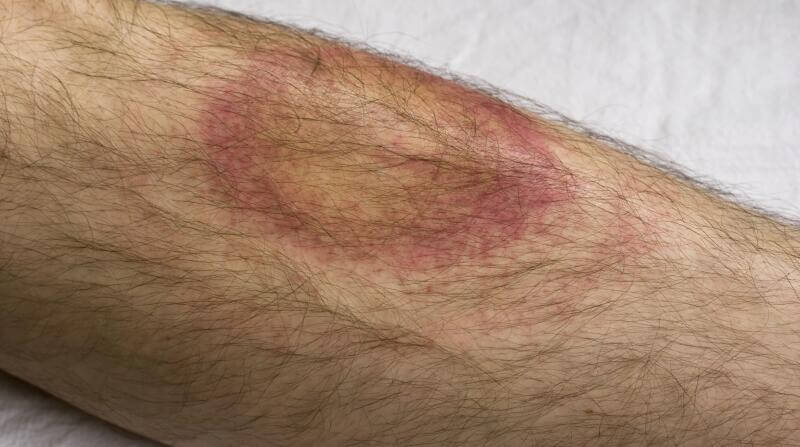
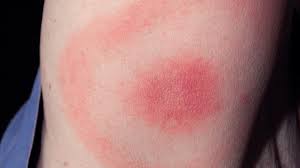
The expanding skin rash called erythema migrans represents the most recognizable early warning and appears in approximately 70 to 80 percent of people who develop infection after a tick bite in areas where infected ticks are common throughout warmer months of the year. This rash appears at the bite site and expands gradually outward over days in a pattern that sometimes but not always develops the classic bulls-eye appearance that most public awareness materials use as the defining visual representation of Lyme disease symptoms in educational contexts aimed at general audiences.
Many genuine cases present as a solid expanding red oval without any inner clearing that would make identification obvious to someone who has only ever seen the textbook illustration rather than the varied real world presentations that clinical photographs document across different patient populations and skin types.
Flu-Like Signs to Recognize:
Alongside the rash most people with early Lyme disease symptoms feel genuinely unwell in ways that closely resemble influenza without the respiratory component that genuine viral respiratory infections typically produce during cold and flu seasons when other illnesses circulate simultaneously. The fatigue sits heavier than ordinary tiredness and resists the rest that usually resolves normal tiredness, muscle aches spread across the entire body rather than concentrating in one area, headaches press from behind the eyes in a distinctive way, and joint pain moves between different locations from day to day rather than remaining fixed in one spot the way overuse injuries typically behave over equivalent timeframes for most people.
Why Early Recognition Changes Everything:
Recognizing Lyme disease symptoms at this earliest stage and treating appropriately with antibiotics resolves the infection completely in most patients without progression to the more complex later stages that develop when early signs go unrecognized across the weeks following the original tick bite when treatment would have been most straightforward. The treatment outcome difference between early and late stage is significant enough that every additional week of unrecognized infection genuinely matters for the person experiencing it rather than being a minor clinical detail that makes no practical difference to the ultimate treatment trajectory and recovery experience.
Lyme Disease Symptoms Stage Comparison Table:
| Stage | Timeline | Key Signs | Rash Present | Treatment Response | Testing Accuracy |
| Early localized | 3 to 30 days | Rash fatigue flu-like | Usually yes | Excellent | Lower in first weeks |
| Early disseminated | Weeks after bite | Nerve heart joint | Sometimes | Good with antibiotics | Better at this stage |
| Late disseminated | Months after bite | Arthritis nerve issues | Rarely | Variable outcomes | Most reliable stage |
| Post treatment | After antibiotics | Fatigue pain brain fog | No | Supportive care only | Clinical assessment only |
Lyme Disease Symptoms When Bacteria Spreads:
When early signs go unrecognized the bacteria enters the bloodstream and travels to tissues throughout the body producing disseminated infection with manifestations that reflect wherever the bacteria establish themselves most significantly in each individual patient over the weeks and months following untreated initial infection.
Disseminated Lyme disease symptoms are where misdiagnosis happens most commonly because the clinical picture matches other serious conditions convincingly enough that rheumatoid arthritis, multiple sclerosis, Bell’s palsy, and anxiety all receive consideration before anyone connects what appears to be multiple separate problems happening in the same person over the same timeframe to a single infectious cause that tick exposure months earlier set in motion without anyone realizing it at the time.
Lyme Disease Symptoms Affecting the Nervous System:

Neurological manifestations cause some of the most significant suffering and the most diagnostic confusion because they affect how people think, feel, move, and experience their own bodies in ways that look from outside like psychiatric problems rather than the physical infectious process actually driving them beneath the surface of what standard clinical evaluation readily identifies.
Facial drooping on one side that resembles Bell’s palsy represents one of the more recognizable neurological Lyme disease symptoms and any new onset facial palsy in someone who has spent time in tick-endemic areas should prompt testing before other explanations are accepted as definitive without appropriate investigation. Shooting nerve pain following pathways down the limbs, significant memory difficulties that interfere with daily functioning, word finding problems that make conversation frustrating and exhausting, and the cognitive heaviness patients often describe as thinking through fog all appear frequently enough to constitute recognizable patterns rather than isolated coincidences in people living with this condition across different geographic regions and disease stages.
Lyme Disease Symptoms in Joints and Heart:
Joint related manifestations most commonly involve significant knee swelling that develops gradually over weeks to months after the original infection in ways that make the connection to earlier tick exposure feel increasingly remote and unlikely to patients and clinicians who are not actively keeping this infection on their diagnostic radar as an ongoing possibility worth investigating through appropriate testing.
Cardiac Lyme disease symptoms including palpitations, irregular heartbeat sensations, dizziness, and occasional shortness of breath appear in a smaller proportion of disseminated cases but represent serious manifestations requiring prompt recognition because the electrical conduction disruption they reflect can progress to complete heart block in some patients without adequate monitoring and management during the period of active cardiac involvement in this stage of the disease.
Lyme Disease Symptoms Warning Signs to Act On:
These specific patterns deserve same day or next morning medical contact rather than watching and waiting at home hoping things settle without professional evaluation from someone who can put the complete clinical picture together
- An expanding skin rash appearing within a month of outdoor time in wooded areas needs same day medical attention because treatment at this point works most completely for the greatest proportion of affected patients who receive antibiotics during this genuinely critical early window before the bacteria disseminates further
- Facial drooping on one side appearing in someone with recent outdoor time in tick regions represents a neurological sign that should prompt Lyme disease symptoms testing before Bell’s palsy is accepted as the complete and final explanation without investigating infectious causes that may be driving the facial nerve involvement
- Large joint swelling developing without injury explanation in someone with potential tick exposure represents a joint manifestation worth investigating specifically for this condition before heading down other diagnostic pathways that may delay appropriate treatment by weeks or months
- Heart palpitations appearing alongside other systemic signs represent cardiac manifestations requiring urgent evaluation rather than reassurance and monitoring at home without professional clinical assessment that can determine whether cardiac involvement is present and significant
- Significant cognitive changes appearing with fatigue and physical pain in someone with outdoor exposure history represent neurological manifestations worth investigating before attributing everything entirely to stress or anxiety without considering infectious possibilities that may be driving the complete symptom picture
Lyme Disease Symptoms and Blood Testing Reality:

The two-tier testing system used to diagnose this condition involves an initial screening test followed by a confirmatory test when screening returns positive and this system has a documented limitation during the first weeks of infection when antibody levels have not yet risen high enough to register on initial screening in ways that produce meaningful false negative results.
A negative blood test during those early weeks does not rule out Lyme disease symptoms caused by genuine active infection and clinical judgment about whether to treat based on the complete picture including rash characteristics and exposure history should not be entirely overridden by negative early laboratory results in patients whose presentation makes the diagnosis clinically reasonable without laboratory confirmation at that specific point in the infection timeline.
Lyme Disease Symptoms After Completing Treatment:
Some people continue experiencing fatigue, widespread pain, cognitive difficulties, and sleep disruption for months after completing antibiotic treatment that laboratory testing suggests has cleared the active infection responsible for their original presentation and the early Lyme disease symptoms that first prompted them to seek medical evaluation and testing.
These ongoing difficulties are real and significantly affect daily quality of life for the people experiencing them across months and sometimes years of post-treatment struggle and they deserve genuine clinical acknowledgment and supportive management rather than dismissal on the grounds that current test results no longer demonstrate active infection to the satisfaction of clinicians who have not fully engaged with what post-treatment patients consistently report about their ongoing experience with this condition.
Conclusion
Lyme disease symptoms tell a genuinely different story at each stage of infection and knowing what that story looks like before you personally need that knowledge gives you a real advantage in getting diagnosed and treated at the stage where antibiotics work best and most completely for the people who receive them at the right time.
Check your skin carefully after outdoor time in tick areas, understand what early signs look like beyond the textbook bulls-eye rash that public awareness emphasizes over the varied real world presentations, pay attention when flu-like illness appears without the respiratory component that genuine influenza typically produces, and push for proper evaluation when something feels consistently wrong after potential tick exposure. Early recognition genuinely changes what this illness does to the people it infects in ways that matter profoundly for long-term health outcomes and quality of life.
FAQ’s
1. What do early Lyme disease symptoms feel like from day to day in real life?
Most people describe the experience as a heavy flu without runny nose and cough with fatigue that feels disproportionately severe alongside joint pain that shifts between different body locations from day to day rather than staying consistently fixed in one predictable spot that would suggest a more straightforward diagnosis to a clinician asking the right questions during a thorough evaluation appointment.
2. Can Lyme disease symptoms appear without ever finding any tick at all?
Completely yes and this happens regularly because the nymph stage ticks most responsible for transmission are roughly the size of a sesame seed whose bites cause absolutely no pain and whose presence on skin goes entirely unnoticed without deliberate careful inspection of the complete body surface after outdoor time in areas where these tiny ticks actively feed on passing hosts throughout warmer months.
3. How long after a tick bite Lyme disease symptoms typically start appearing?
The rash usually appears somewhere between three days and four weeks after the bite with most people noticing it within the first two weeks of the exposure that initiated infection. The variability in onset timing between individuals means exposure history is often more diagnostically useful than trying to fit the clinical picture into a rigid and predictable timeline that does not reflect the genuine variation in real patient experience.
4. Lyme disease symptoms follow a consistent daily pattern throughout illness?
Many people notice fatigue and cognitive difficulties feel worse in the morning with some improvement as the day progresses while joint related problems often intensify after extended periods of sitting still without movement. These daily patterns vary considerably between individuals and change across different disease stages making personal symptom tracking more practically useful than expecting the experience to match any single standardized description of what this condition feels like.
5. What matters most when Lyme disease symptoms first become noticeable?
Getting to a doctor that same day or following morning and being completely specific about recent outdoor time in wooded or grassy areas is the single most important action when early signs first appear because early antibiotic treatment works dramatically better than treatment initiated months later when infection has established itself more deeply in body tissues making complete resolution considerably harder to achieve for affected patients navigating this condition.
Summary
Lyme disease symptoms begin most recognizably as an expanding skin rash and heavy flu-like illness without respiratory involvement in the weeks following a tick bite and progress through neurological, cardiac, and joint manifestations when that early treatment window passes without recognition and appropriate antibiotic intervention from a clinician who understands the complete clinical picture.
Understanding early signs in their many real world presentations beyond the classic bulls-eye, recognizing flu-like Lyme disease symptoms without respiratory involvement after outdoor exposure as a genuine red flag worthy of medical attention, and knowing the neurological and joint patterns of disseminated infection all contribute meaningfully to earlier diagnosis that produces better outcomes. The most valuable thing this information can genuinely do is move someone toward medical evaluation sooner than they would have gone without understanding what Lyme disease symptoms actually look like across the complete disease course from earliest rash through the late stage complications that earlier recognition consistently prevents.